


07 August, 2026
Sourcing floor tiles from overseas involves more than finding an attractive design. Malta buyers must also consider technical performance, batch consistency, export documents, packaging, shipping and total landed cost.
A dependable floor tiles exporter to Malta should provide clear specifications, suitable products, secure packing and transparent order support. This guide explains how to compare ceramic floor tiles, porcelain floor tiles and vitrified options for homes, hotels, offices, shops and outdoor spaces.
What Malta Buyers Need from Floor Tiles
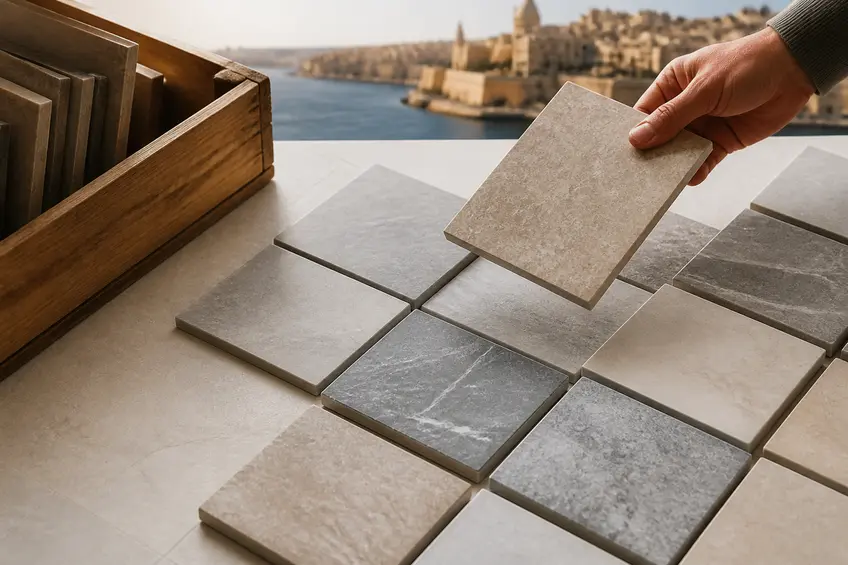
Which floor tiles are best for Malta’s climate?
Climate is important, but it should not be the only factor. Buyers must first decide where the tile will be installed. An indoor bedroom, a busy hotel lobby and an exposed terrace have very different needs.
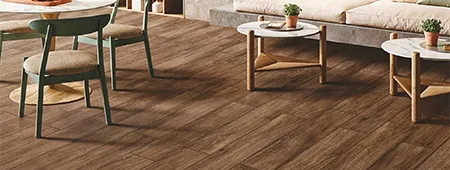
Low-water-absorption porcelain tile flooring is often considered for exposed and high-use areas. However, buyers should still verify water absorption, slip performance and the intended application. Glazed ceramic tiles can be practical for many indoor residential flooring applications.
For properties near the coast, easy cleaning can also matter. Dust, moisture, foot traffic and routine maintenance may affect the best finish for the project.
Key performance requirements
Before ordering premium floor tiles, ask for technical information covering:
- Water absorption
- Breaking strength
- Surface abrasion or wear resistance
- Slip-test performance
- Stain and chemical resistance
- Dimensional accuracy
- Cleaning and maintenance needs
A tile described as “premium” is not automatically right for every area. Selection should be based on declared performance and expected use.
Ceramic, Porcelain and Vitrified Tiles Compared
Ceramic floor tiles
Ceramic tiles offer a broad choice of colours, patterns and glazed surfaces. They may suit bedrooms, living rooms and other low-to-moderate-traffic interiors. Buyers should confirm that the chosen product is rated for flooring, as wall tiles are not always suitable underfoot.
Porcelain floor tiles
Porcelain tiles have a dense body and typically low water absorption. They are widely considered for indoor floors, commercial flooring solutions and selected outdoor areas. Product suitability should still be supported by data for strength, wear and slip performance.
Vitrified floor tiles
Vitrified floor tiles are known for their dense construction and range of surface finishes. Terminology can vary between markets, so importers should check the tile classification, test report and intended application instead of relying only on the product name.
Are matte tiles safer than polished tiles?
Matte finish floor tiles can provide a soft, modern look and may offer better grip in some cases. Polished floor tiles create a bright, refined appearance that suits dry interiors. Yet not every matte tile is anti-slip, and not every polished tile is unsafe.
For bathrooms, entrances and outdoor zones, request declared slip-test results for the exact product. Do not judge safety from appearance alone.
Tiles for Indoor, Outdoor and Commercial Spaces
Indoor floor tiles for homes and apartments
Indoor floor tiles should support daily use without making cleaning difficult. Kitchens and corridors may need stronger stain resistance than bedrooms. Bathrooms require careful attention to grip, drainage and installation quality.
Buyers should also consider tile size, grout visibility and coordination with walls, furniture and other finishes. Larger sizes can make a room feel more open, while smaller tiles may help with falls and drainage in wet areas.
What tiles are suitable for outdoor areas?
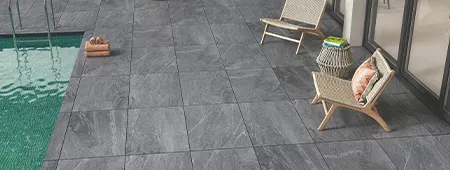
Outdoor floor tiles may be used on terraces, balconies, courtyards, entrances and hospitality spaces. Suitable products should be checked for low water absorption, surface texture, weather exposure and verified slip performance.
- Select tiles intended for exposed use.
- Plan a suitable installation slope for drainage.
- Choose a texture that can still be cleaned with ease.
- Use the correct adhesive and grout system.
- Confirm wet-area performance before ordering.
Anti slip floor tiles can improve safety, but the whole system matters. Poor drainage or incorrect installation can create problems even when the tile has a textured surface.
Commercial flooring solutions
Hotels, restaurants, offices and shops often need stain resistant tile surfaces and scratch resistant flooring solutions. Maintenance cost is also important because a finish that needs frequent special cleaning may raise long-term operating costs.
Commercial projects should review traffic levels, cleaning chemicals, entrance dirt and the movement of furniture or equipment. Requirements may be more demanding than those for a private home.
Large-format floor tiles
Large format floor tiles create fewer grout lines and a smooth visual flow. They work well with many modern tile designs, but installation needs careful planning. The substrate must be flat, and installers need the correct tools for handling and fixing.
Confirm the preferred tile size with the architect and installer before placing a bulk order. This step can reduce cutting issues, delays and waste.
How to Choose a Floor Tiles Exporter to Malta
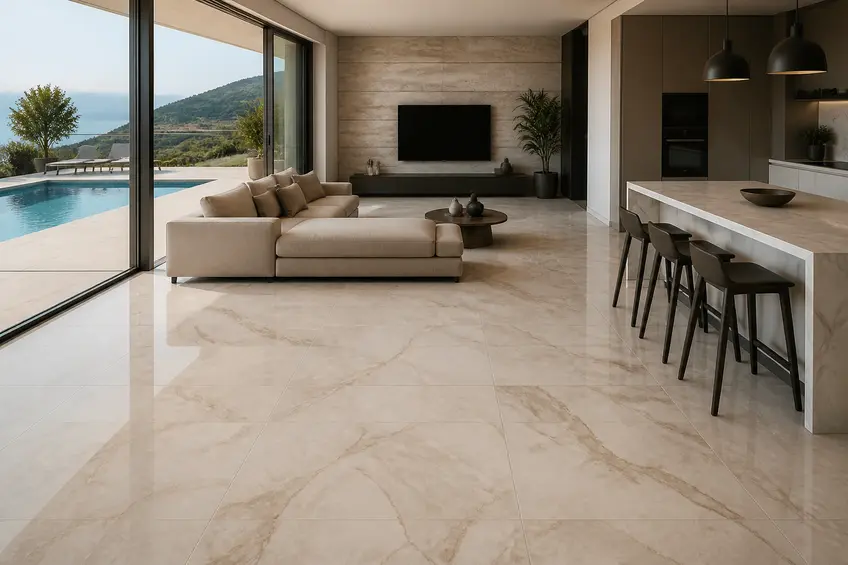
What should you ask a tile supplier?
A reliable supplier should answer practical questions before requesting a firm commitment. Use the following checklist when comparing a floor tile manufacturer, exporter, distributor or trading company:
- Are current specifications and test reports available?
- Can physical samples be supplied?
- What is the minimum order quantity?
- Can several sizes or designs be consolidated?
- How are shade and calibre controlled?
- Which Incoterms are offered?
- What is the expected production and dispatch schedule?
- How are shortage or breakage claims handled?
- Which export documents come with the shipment?
How do you verify tile quality?
Ask for water-absorption results, dimensions, surface-quality details and breaking-strength data. Wear information may be needed for glazed surfaces, while wet or outdoor areas require suitable slip-test results.
Shade, calibre and batch references are also important. These details help the installation team achieve a consistent finish across the project.
Why should buyers compare landed cost?
The lowest price per square metre may not be the lowest final cost. A fair comparison should include:
- Tile cost and export packaging
- Inland transport and port handling
- Sea freight and insurance
- Customs clearance and applicable duties
- VAT and local delivery in Malta
- Likely waste, damage and replacement needs
Request each quotation using the same specification and Incoterm. This makes comparisons between suppliers far more useful.
EU Standards, Documents and Export Packaging
Do tiles imported into Malta need CE marking?
Malta is part of the European Union. Importers should verify whether CE marking and a Declaration of Performance are required for the specific ceramic tile product and intended use. EN 14411 is a key European reference for ceramic tile requirements, evaluation and marking, while ISO 13006 covers classification and characteristics.
Rules can change, so buyers should check current EU and Malta requirements before shipment. The importer should also verify the customs classification and any duties or trade-remedy measures that may apply.
Which import documents may be required?
The exact documents depend on the shipment and sales terms. A typical file may include:
- Commercial invoice
- Packing list
- Bill of lading
- Certificate of origin where applicable
- Declaration of Performance
- CE-related product information where required
- Insurance documents
- Product test reports
- Wood-packaging compliance records where relevant
How should floor tiles be packed for export?
Good tile export standards and packaging help limit movement, moisture exposure and impact during transport. Strong cartons should be stacked on stable pallets and secured for container loading.
Corner protection, separators and clear pallet labels may offer added control. Cartons should identify the product, size, batch, shade and calibre. Different lots should remain separated unless the buyer has approved mixing.
Buyers can also request pre-dispatch inspection records and a container loading plan. No exporter can promise zero breakage, but careful packing and loading reduce avoidable risk.
Ordering Bulk Floor Tiles for Malta Projects
How much extra tile should you order?
Use this basic planning formula:
A common allowance is about 5% to 10% for simple layouts. Diagonal patterns, complex cuts and demanding large-format work may require around 10% to 15%. The architect or installer should confirm the final figure.
Why should samples be approved first?
Before confirming bulk floor tiles for construction projects, review the colour, dimensions, thickness, edge, finish and cleaning behaviour. Check slip performance when the product is intended for wet or exposed areas.
Small samples may not show the full variation found in stone-look or marble-look collections. Ask how much visual variation to expect across several cartons.
How can shade and calibre issues be reduced?
- Order the full project quantity at one time where possible.
- Record batch, shade and calibre references.
- Keep extra stock for future repairs.
- Inspect labels before installation begins.
- Do not mix production lots without approval.
A practical hotel procurement example
Consider a hotel project that needs tiles for guest rooms, bathrooms and an outdoor terrace. One surface should not be chosen for every space.
The team may select satin or polished finishes for suitable dry interiors, verified wet-area flooring for bathrooms and textured porcelain tiles for exposed terraces. The final order should include cutting waste and matching replacement stock.
Why Consider Ilex Ceramica?
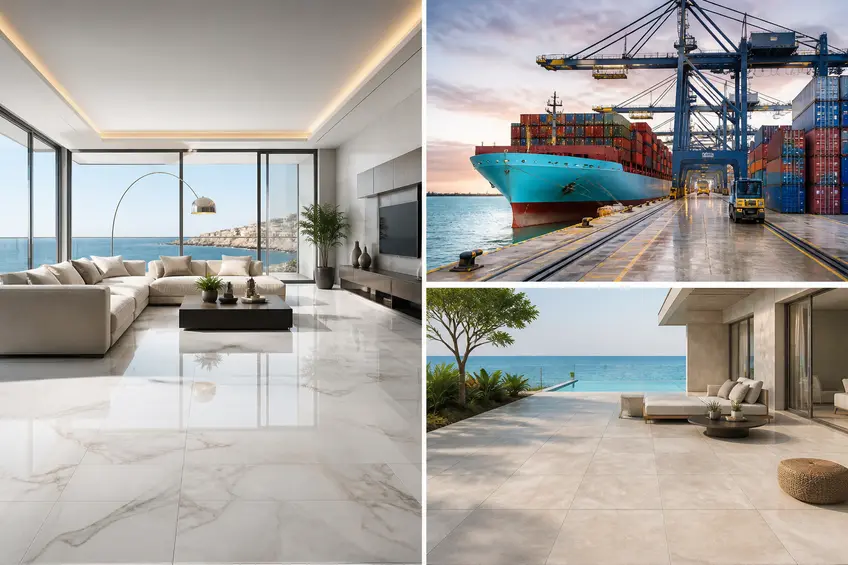
Malta buyers seeking an international floor tiles exporter and distributor can use the Ilex Ceramica website to begin a project discussion. Before ordering, review the current catalogue and confirm available materials, sizes, finishes, technical reports and export services directly with the company.
A project-specific request should include:
- Project location and type
- Indoor, outdoor or commercial application
- Preferred size, design and finish
- Total required quantity
- Target delivery schedule
- Destination port
- Preferred Incoterm
- Required certificates and test reports
Buyers should also confirm minimum order quantities, sample availability, packing methods and container options. Clear details allow Ilex Ceramica to prepare a more relevant quotation for the Malta project.
Best Floor Tiles Exporter to Malta
Choose Tiles by Performance, Not Appearance Alone
Selecting durable floor tiles for residential and commercial spaces requires a clear specification. Match each tile to its location, verify technical data and calculate the complete landed cost before making a decision.
For a Malta project, review the current Ilex Ceramica catalogue and request samples, documents and an export quotation based on your exact application, quantity and delivery needs.
Frequently Asked Questions
Who is the best floor tiles supplier from India to Malta?
The best floor tiles supplier from India to Malta depends on the project. Compare product suitability, test data, shade control, packaging, communication and landed cost. Avoid choosing a supplier only because it offers the lowest unit price.
1. Are porcelain tiles better than ceramic tiles?
Porcelain is generally denser and is often chosen for demanding or exposed areas. Ceramic can be a practical option for many indoor homes. The better choice depends on traffic, moisture, finish and verified technical performance.
2. Can I order wholesale floor tiles for a Malta project?
Yes, subject to the supplier’s minimum quantity and production terms. Ask whether mixed designs or sizes can share a shipment. Samples, specifications, quantities and delivery terms should be approved before production.
3. How long does shipping from India to Malta take?
Total lead time includes sample approval, production, inspection, export clearance, vessel availability and sea transit. It can change with port conditions and shipping schedules, so request a current estimate before confirming the order.
4. How do exporters prevent breakage in transit?
Exporters use strong cartons, stable pallets, corner protection and controlled container loading. Moisture protection and pre-dispatch checks may further reduce risk. Buyers should confirm the claims procedure and insurance terms in advance.