

10 February, 2026
The global construction and interior design industry is growing at a rapid pace, creating strong demand for high-quality tiles across residential, commercial, and industrial projects. Today, ceramic tile manufacturers are no longer limited to domestic sales. With the right strategy, compliance, and logistics, manufacturers can successfully tap into international demand and build a sustainable ceramic tile export business.
This blog explains how ceramic tile manufacturers export to global markets, covering everything from market research and quality standards to documentation, logistics, and buyer relationships.
What Are Ceramic Tiles?
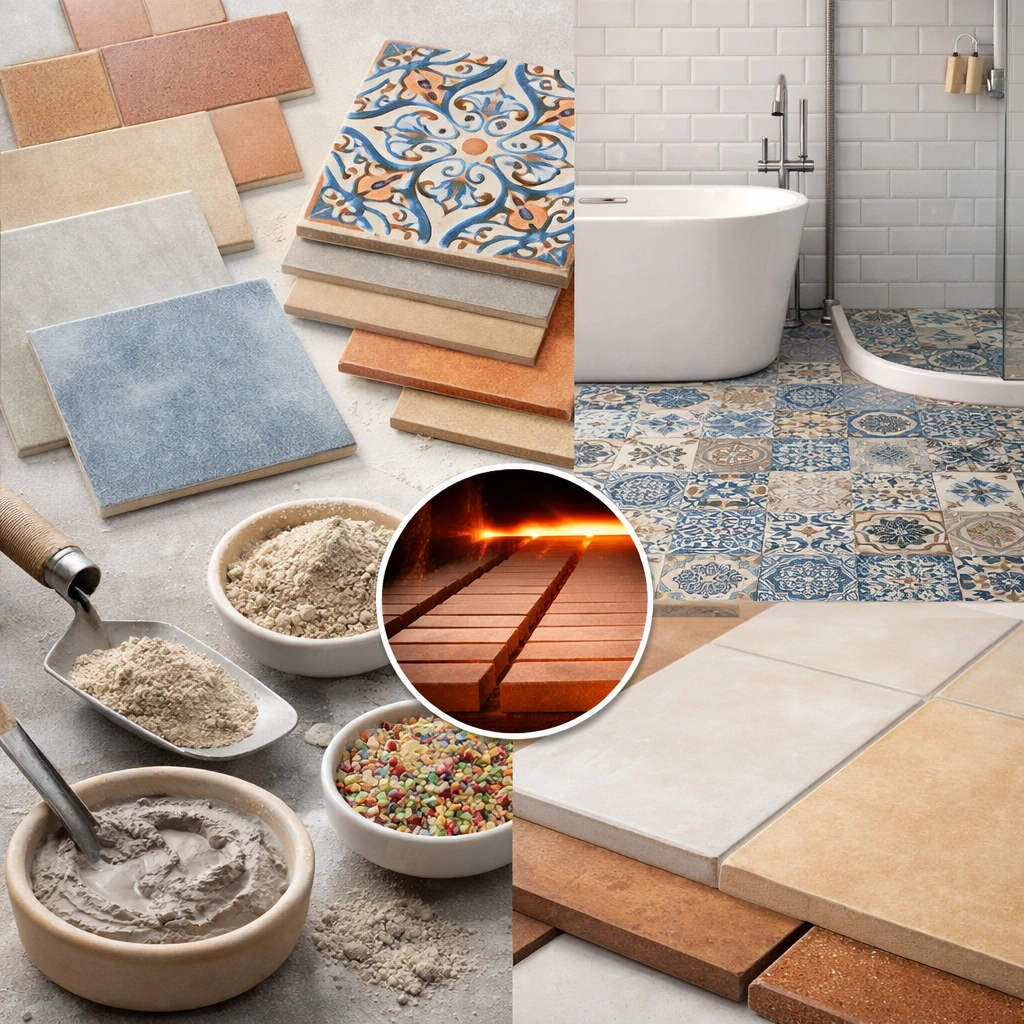
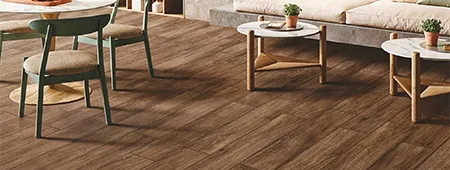
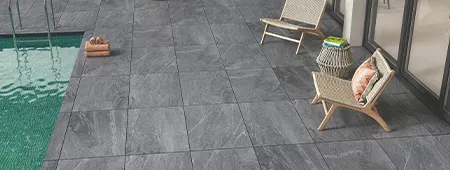
Ceramic tiles are manufactured using natural clay materials that are shaped, glazed, and fired at high temperatures. They are widely used for flooring, walls, kitchens, bathrooms, and exterior spaces.
Manufacturers produce various types, including glazed ceramic tiles, vitrified tiles, and porcelain tiles. Due to their durability, design flexibility, and cost efficiency, ceramic and porcelain tiles are in high demand across global construction markets.
Understanding Export Markets for Ceramic Tiles Manufacturers
Before starting ceramic tiles export operations, manufacturers must identify the right export markets.
Key factors to evaluate include:
-
Construction growth and housing demand
-
Import regulations and tariffs
-
Buyer preferences and tile specifications
-
Competitive pricing benchmarks
Popular export markets for ceramic tiles include the Middle East, Africa, Europe, the USA, and emerging Asian economies. Market research, trade reports, and buyer insights play a crucial role in market selection.
Manufacturing Standards for Export-Quality Ceramic Tiles
To succeed globally, ceramic tile manufacturers must meet strict ceramic tile quality standards. The ceramic tile export business is highly competitive, and export buyers expect durability, consistency, and compliance with international benchmarks. Proper export packaging for ceramic tiles is essential to prevent breakage, maintain finish quality, and meet international shipping requirements.
Key Export Quality Requirements
-
Low water absorption (as per application)
-
Uniform thickness and sizing
-
Surface abrasion and scratch resistance
-
Chemical and stain resistance
Manufacturers must follow international tile standards, including ISO certification for ceramic tiles, CE marking, or ASTM standards, depending on the destination country. Maintaining tile export compliance is critical for long-term export success.
Ceramic Tile Export Process: Step-by-Step
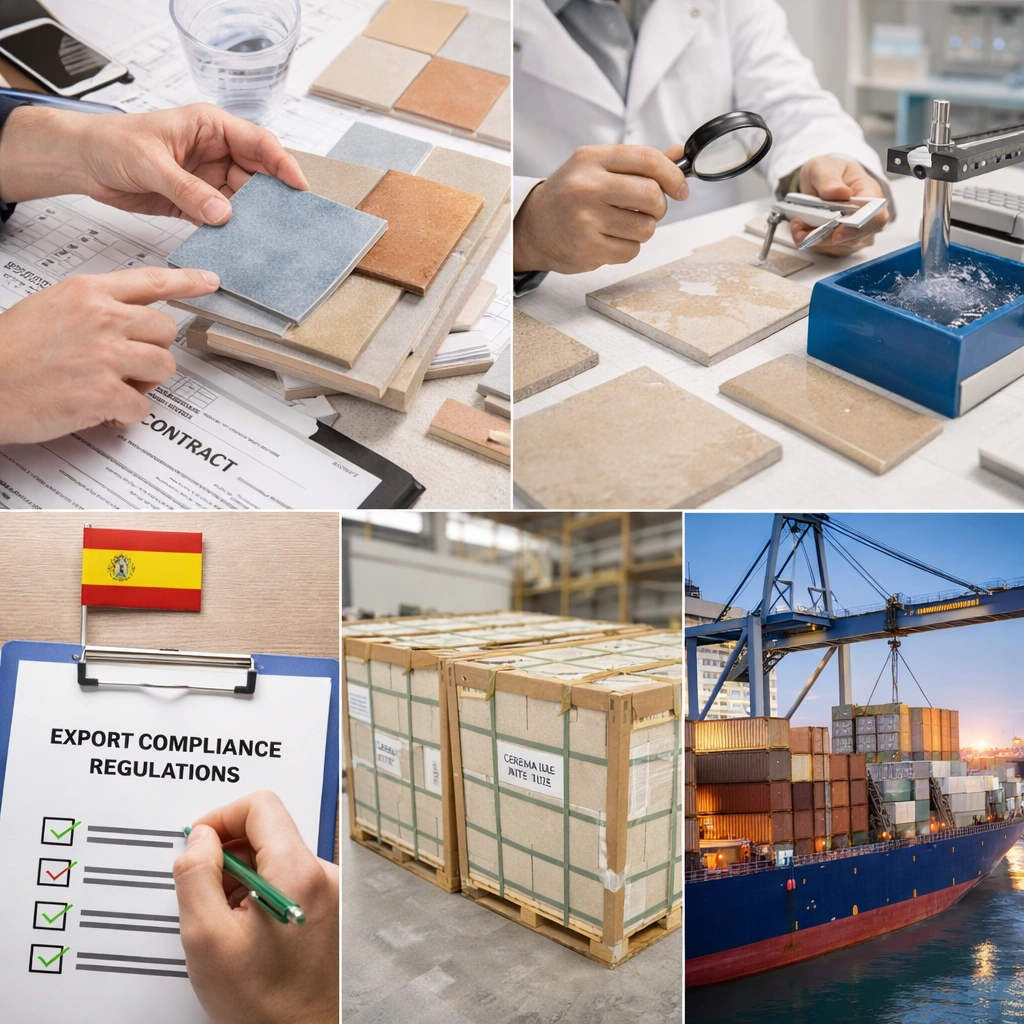
The ceramic tile export process involves multiple structured stages:
-
Product finalization and buyer approval
-
Quality inspection and testing
-
Compliance with tile export regulations
-
Export-grade packaging
-
Container loading and shipment
A well-managed export workflow is essential for running a profitable ceramic tile export business, ensuring timely delivery and buyer satisfaction.
Quality Standards and Certifications for Global Export
Global buyers demand strict adherence to quality. Meeting ceramic tile quality standards is non-negotiable in international trade.
Common international tile standards include:
-
ISO certification for ceramic tiles
-
ANSI standards for the US market
-
CE marking for European countries
These certifications ensure durability, water absorption control, slip resistance, and dimensional accuracy. Compliance with international tile standards builds trust among ceramic tile suppliers worldwide.
Ceramic Tile Export Documentation Explained
Accurate paperwork is a crucial part of the export workflow. Ceramic tile export documentation typically includes:
-
Commercial invoice
-
Packing list
-
Bill of lading or airway bill
-
Certificate of origin
-
Test reports and quality certificates
-
Insurance documents
Missing or incorrect documentation can cause shipment delays or customs penalties.
Ceramic Tile Export Logistics and Shipping Methods
Efficient ceramic tile export logistics determine delivery timelines and overall profitability.
Common ceramic tile shipping methods include:
-
Full Container Load (FCL) for bulk orders
-
Less than Container Load (LCL) for smaller shipments
Sea freight is the most preferred option due to cost efficiency. Selecting experienced freight forwarders ensures compliance, timely delivery, and reduced transit risks.
Shipping Options For Ceramic Tiles Export
|
Option |
Best For |
Risk Level |
Why It Works |
|
FCL (Full Container Load) |
Large orders |
Lower |
Less handling and better stability |
|
LCL (Less Than Container) |
Small orders |
Medium |
Useful for trial exports |
|
Consolidation |
Mixed small shipments |
Medium–High |
Good for market testing |
|
Door-to-Door |
New importers |
Medium |
Simplifies coordination for buyers |
All shipping options require standardized export packaging for ceramic tiles to ensure stability during transit.
Ceramic Tile Export from India: A Global Advantage
India has emerged as a global hub for tile manufacturing due to advanced technology, skilled labor, and competitive pricing.
Ceramic tile export from India benefits from:
-
Strong manufacturing infrastructure
-
Access to global ports
-
Cost-effective production
-
Government export incentives
Indian manufacturers are recognized as reliable porcelain and ceramic tile exporters, supplying high-quality products across continents.
Role of Distributors, Agents & Trade Platforms
To expand globally, tile manufacturers export through multiple channels:
-
Overseas distributors and importers
-
OEM and private-label partnerships
-
Direct B2B buyers
-
Participation in ceramic tile trade fairs and exhibitions
Trade fairs help manufacturers connect with buyers, understand market trends, and build long-term relationships in global markets.
Challenges Faced by Ceramic Tile Manufacturers in Export
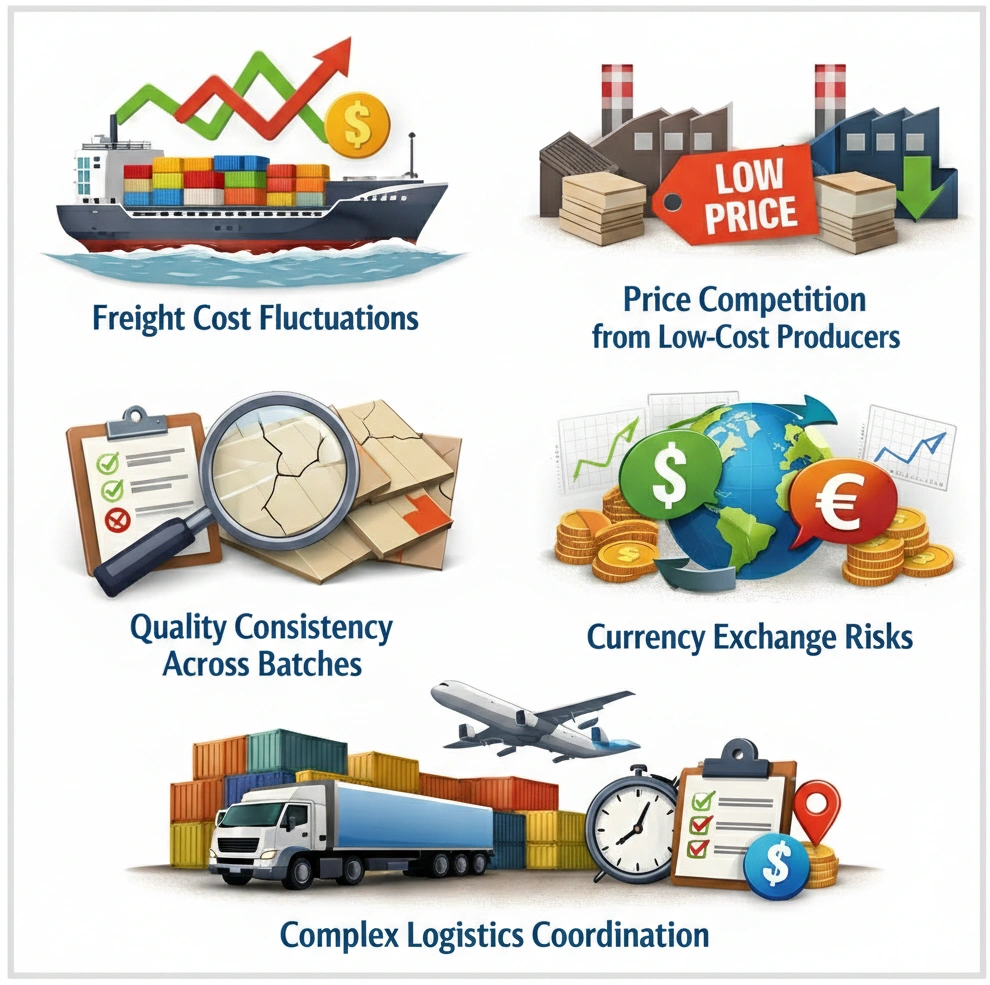
Despite opportunities, exporting ceramic tiles comes with challenges:
-
Freight cost fluctuations
-
Price competition from low-cost producers
-
Quality consistency across batches
-
Currency exchange risks
-
Complex logistics coordination
Successful manufacturers mitigate these risks through planning, compliance, and strong logistics partnerships.
How Leading Ceramic Tile Manufacturers Succeed Globally
Top ceramic tile manufacturers succeed in export markets by:
-
Maintaining consistent ceramic tile quality standards
-
Investing in automation and innovation
-
Adhering strictly to international tile standards
-
Offering flexible packaging and branding solutions
-
Building reliable overseas tile distribution networks
These strategies help establish long-term credibility and repeat business.
Future Trends in Ceramic Tile Exports
The future of the ceramic tiles export industry is shaped by:
-
Sustainable and eco-friendly manufacturing
-
Growth in porcelain and large-format tiles
-
Advanced digital printing technology
-
Rising demand in emerging economies
Manufacturers that adapt early to these trends gain a competitive edge in the global ceramic tile market.
Ilex Ceramica as a Global Tile Exporter
Ilex Ceramica represents modern ceramic tile manufacturing with a strong focus on export-ready production. The company follows international quality standards, reliable packaging practices, and structured export workflows. With a commitment to consistency and compliance, Ilex Ceramica supports global buyers with dependable ceramic tile supply for residential and commercial projects.
Find Global Ceramic Tile Exporter
Conclusion
Exporting ceramic tiles is a structured and compliance-driven process that requires careful planning, quality control, and market understanding. For ceramic tile manufacturers, success in international trade depends on meeting global standards, managing logistics efficiently, and building strong overseas partnerships.
With the right strategy, the ceramic tile export from India and other manufacturing hubs continues to play a vital role in supplying quality tiles to global construction markets.
FAQs
1. Which countries import the most ceramic tiles?
The Middle East, Europe, Africa, and North America are major importers.
2. What certifications are required for ceramic tile export?
ISO certification for ceramic tiles and region-specific standards are commonly required.
3. What is the safest shipping method for ceramic tiles?
Sea freight with proper export packaging and container loading.
4. Is ceramic tile export profitable?
Yes, with the right quality standards, logistics planning, and market selection.
5. What documents are required for ceramic tile export?
Ceramic tile export documentation includes invoices, packing lists, certificates of origin, inspection reports, and shipping documents.