


08 August, 2026

Warm timber grain can make a modern room feel calm, natural, and inviting. Yet real wood may not suit every kitchen, bathroom, hallway, or busy commercial space. That is where wooden tiles offer a practical choice.
The term usually refers to ceramic or porcelain tiles made to resemble timber. Today’s wood look tiles can recreate knots, grain, plank lines, and natural shade changes with impressive detail. This guide explores the top 10 wooden tiles for 2026, along with room ideas, technical checks, installation tips, and sourcing advice.
Are Wood-Look Tiles Still in Style in 2026?
Yes, wood-look surfaces remain in style for 2026. However, the designs are becoming warmer, calmer, and more realistic rather than looking like uniform printed boards.
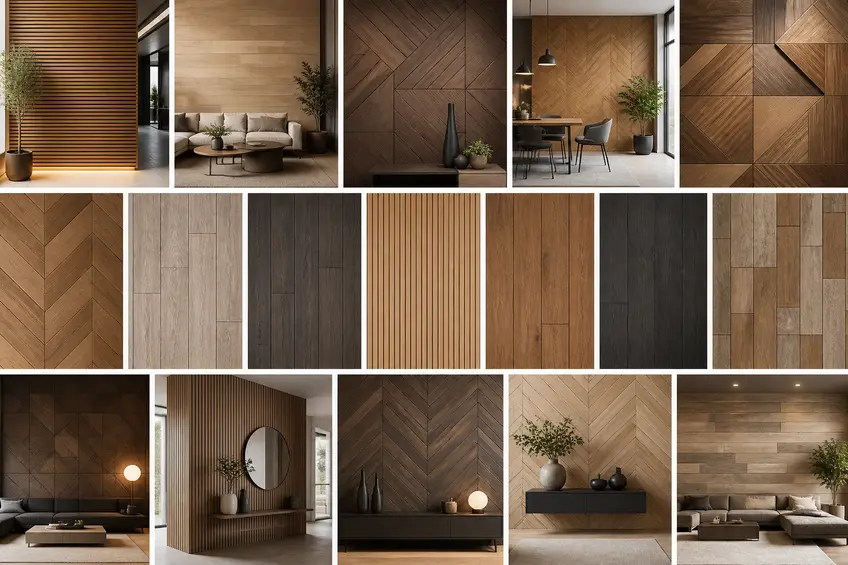
Current directions include long planks, low-sheen surfaces, natural knots, and gentle shade variation. Warm oak, smoked walnut, sand, and greige tones work well with Japandi, organic modern, Scandinavian, contemporary rustic, and luxury minimalist rooms.
These tiles can also provide a practical waterproof wooden flooring alternative when the correct product and installation system are used. Still, the tile, grout, waterproofing, substrate, and movement joints must all suit the room. The best choice depends on local conditions rather than appearance alone.
Top 10 Wooden Tiles for Modern Interiors
1. Natural Oak Wood Look Tiles
Natural oak is one of the most flexible choices for modern homes. Its light-to-medium color, soft knots, and balanced grain add warmth without making a room feel dark.
Oak wood look tiles suit living rooms, kitchens, hallways, and open-plan areas. Pair them with off-white walls, linen, stone, and black metal accents. Before ordering, ask how many unique graphic faces are available. More faces help reduce obvious grain repetition across a large floor.
2. Wide-Plank Wood Effect Tiles
Long, wide planks create fewer visual breaks, helping large interiors feel calmer. They are well suited to hotel suites, restaurants, spacious living rooms, and luxury apartments.
These premium wooden tiles look refined beside smooth stone, plain walls, and simple furniture. Rectified edges may allow neat grout lines, but the joint must follow the maker’s guidance. A flat substrate is vital because long planks can show lippage when the base is uneven.
3. Herringbone Wooden Floor Tiles
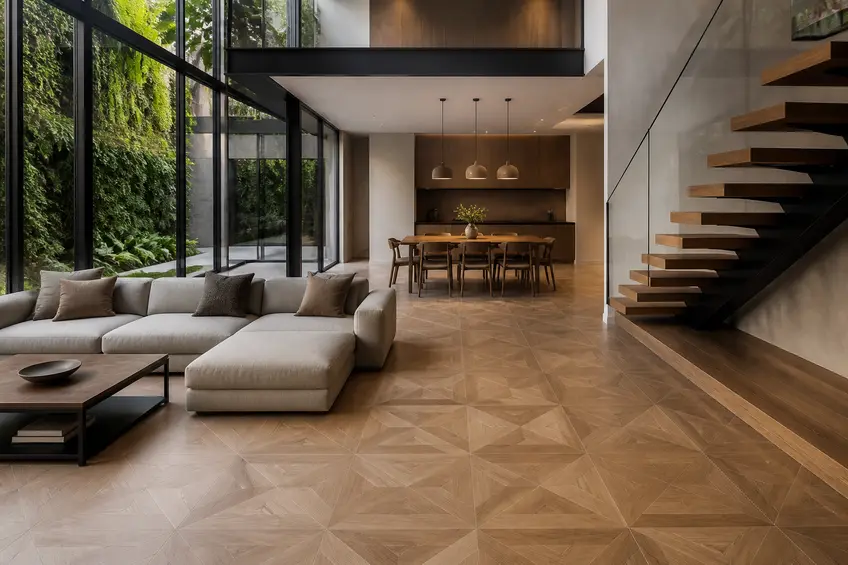
Herringbone uses rectangular pieces placed in a staggered zigzag. Pale oak, warm walnut, and greige finishes give this classic pattern a fresh look for 2026.
Use herringbone wooden floor tiles in entrances, dining spaces, or boutique interiors. In an open-plan home, the pattern can define the dining area without changing the floor color. Allow extra material for cuts, alignment, and breakage, and confirm the layout before installation begins.
4. Chevron Wood Texture Tiles
Chevron tiles have angled ends that meet in continuous V shapes. Herringbone, by comparison, uses straight rectangular pieces. The clean lines of chevron suit formal rooms, premium apartments, and statement interiors.
Align the V pattern with the longest sightline or the main focal point. This could be a window, fireplace, or central feature wall. Precise setting-out is essential because even a small alignment error can become clear across the finished floor.
5. Smoked Walnut Wood Look Tiles
Smoked walnut combines deep brown shades with bold grain. It creates a rich, intimate mood in bedrooms, studies, lounges, and hospitality settings.
Pair this bedroom wood look flooring with cream fabric, brass details, warm lighting, or pale stone. Darker floors work best where there is enough natural or layered light. A matte finish can soften the overall effect while helping the surface appear closer to real timber.
6. Pale Scandinavian Wooden Tiles
Bleached oak, ash, and pale beige tones bring light into compact rooms. These understated wooden tiles complement Scandinavian, coastal, and Japandi interiors.
Use them with warm white walls, woven fabrics, light stone, and simple furniture. Avoid making the entire room cool or grey. Natural textiles and warm accents will keep the space comfortable. The pale surface is also a low maintenance wood effect tile option when its rating matches the intended use.
7. Reclaimed and Rustic Wood Effect Tiles
Rustic designs recreate saw marks, weathered grain, knots, and varied plank colors. They work well in cafés, farmhouse-modern kitchens, creative offices, and relaxed commercial spaces.
Because the floor is expressive, keep nearby walls and furniture simple. Review several samples together before deciding. Strong shade variation may be intentional, but the final mix should still support the design plan. Dry-laying pieces from different cartons can create a balanced result.
8. Geometric Parquet-Style Wooden Tiles
Basketweave, block parquet, modular panels, and inlay effects offer an alternative to standard planks. These are among the best wooden tile designs for modern interiors that need a defined focal area.
They suit foyers, dining rooms, bedrooms, and premium retail spaces. Plan the design from the room center or a key architectural axis. Doorways, columns, and fixed cabinets must be considered before setting out the pattern.
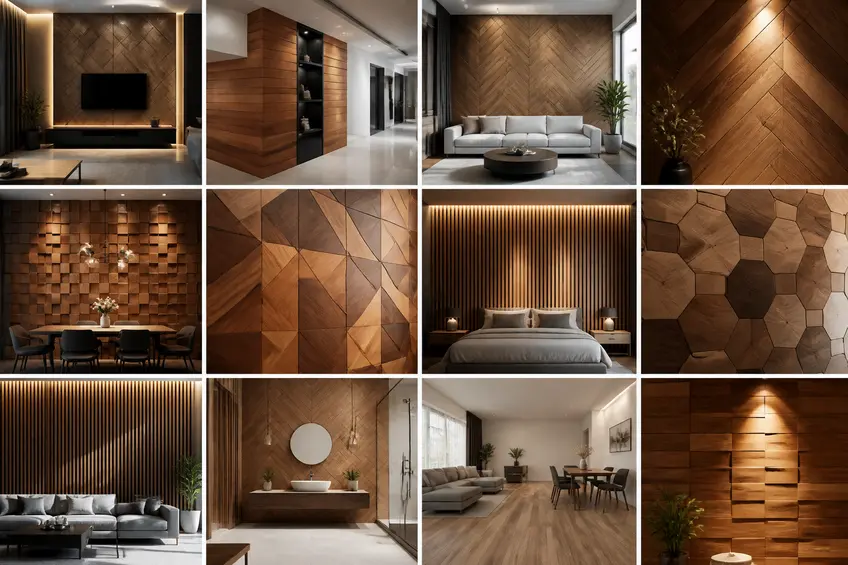
9. Fluted Wooden Wall Tiles
Fluted wooden wall tiles use directional lines to create texture, depth, and shadow. They can add interest to TV walls, headboards, reception counters, or selected bathroom accents.
Lighting placed across the grooves will make the texture more visible. Check edge details where the tile meets corners or other materials. A wall-only product must never be placed on a floor unless its technical documents clearly state that it is floor-rated.
10. Indoor-Outdoor Porcelain Wood Tiles
Coordinated indoor and outdoor porcelain wood tiles can create visual continuity between a living room, balcony, patio, or poolside area. This approach suits villas, resorts, cafés, and biophilic interiors.
The outdoor version may need a different texture and slip classification. Check water absorption, frost resistance, wet-area performance, and local climate requirements. Matching visuals do not mean that indoor and outdoor products have identical technical properties.
Which Wooden Tile Works Best in Each Room?
Living room: Natural oak or a wide-plank design creates an open, relaxed look. Check grain variation and choose a layout direction that supports the shape of the room.
Bedroom: Pale oak and smoked walnut add visual warmth. A matte finish often feels softer and more restful than a high-gloss surface.
Kitchen: Floor-rated porcelain is a practical option. Review stain resistance and use grout that can be cleaned without harsh treatment.
Bathroom: Choose textured porcelain that is approved for the wet location. Slip performance and the full waterproofing system matter.
Hallway: Mid-tone oak or walnut can help hide everyday dust. Confirm wear, traffic, and cleaning requirements.
Commercial space: Select durable matte wood effect tiles based on traffic, certified performance, and maintenance needs.
Feature wall: Fluted or geometric designs create depth. Check wall suitability, lighting, edge trims, and fixing requirements.
Porcelain or Ceramic Wooden Tiles: Which Is Better?
Porcelain Wood Tiles
Porcelain is generally denser and has lower water absorption. It is often selected for busy floors, wet rooms, and certain outdoor areas. However, buyers should still verify intended use, slip data, water absorption, and other performance details.
Ceramic Wooden Tiles
Ceramic wooden tiles are often used on walls and in light-to-moderate residential settings. They may be easier to handle and available in varied formats. Not every ceramic product is suitable for flooring, showers, or outdoor installation.
What About Real Wood?
Real wood provides natural warmth and unique variation. Wood effect tiles can make moisture control and routine cleaning easier in many rooms. Still, tile is not maintenance-free or fully scratchproof. Grout condition, substrate movement, and installation quality affect long-term performance.
How Do You Choose Durable Wooden Floor Tiles?
Check Technical Performance
Ask for the technical data rather than choosing from a display board alone. Useful checks include:
- Water-absorption classification
- Approved wall, floor, indoor, or outdoor use
- Wet and dry slip-performance information
- Abrasion or wear rating where relevant
- Breaking strength and expected loads
- Frost resistance for exterior areas
- Chemical and stain resistance
- Shade variation and dimensional tolerance
Tests may refer to standards such as ISO 13006, relevant ISO 10545 methods, ANSI A137.1, ANSI A326.3, or ASTM C373. A test result is useful only when it applies to the actual tile and intended location.
Assess Visual Realism
Compare several pieces, ask about the number of graphic faces, and look for natural grain changes. Texture that follows the printed detail can improve realism. A grout shade close to the tile’s background color often creates a more continuous timber effect.
Match Performance to Actual Use
A quiet bedroom and a busy retail entrance need different specifications. No product should be treated as universally slip-proof or scratch-proof. Seek professional guidance for showers, stairs, ramps, pools, and commercial kitchens.
What Is the Best Way to Lay Wood Look Tile?
Choose the Layout Before Ordering
- Straight lay: Clean and easy to use in modern rooms.
- One-third offset: Often suitable for long plank formats.
- Herringbone: Adds movement and visual detail.
- Chevron: Creates a formal, continuous pattern.
- Mixed width: Supports rustic and reclaimed looks.
Follow Proven Installation Practices
Use the recommended offset, grout joint, adhesive, and trowel. A 50% brick offset is not always suitable for long planks because curvature can increase lippage where tile centers meet adjacent ends.
Level the substrate, dry-lay pieces from several cartons, and include required movement joints. For example, an oak-look tile may continue through an open living room and kitchen, with a more textured coordinating version outside if both products are approved for those locations.
How to Source Premium Wooden Tiles for Projects
Questions to Ask a Wooden Tile Supplier
- Is the business a manufacturer, exporter, distributor, or trader?
- Which standards are used to test each product?
- Are technical sheets and relevant reports available?
- Can physical samples be approved before ordering?
- What are the minimum order and production lead times?
- How are shade, caliber, and finish controlled by batch?
- How are cartons, pallets, and export loads protected?
- What delivery or export terms apply?
Buying Wooden Tiles in Bulk
For bulk wooden tiles for residential projects, calculate the floor area plus waste for cuts, patterns, and breakage. Herringbone and chevron usually need more overage than a straight layout. Order one production batch where possible and retain spare pieces for later repairs.
Project buyers should also confirm carton coverage, pallet quantity, weight, container capacity, and sample approval. If you need a wooden tile supplier or wish to discuss wholesale requirements, contact Ilex Ceramica to request current designs, samples, specifications, and verified business information.
Top Wooden Tiles Designs for Interior
Choose the Right Timber Look for 2026
The top 10 wooden tiles for 2026 range from natural oak and wide planks to walnut, Scandinavian, parquet, and indoor-outdoor designs. The right option must balance appearance, room conditions, technical performance, and installation needs.
Compare several physical samples and review the technical documents before buying. To explore available wood-look options or discuss samples and bulk project requirements.
Frequently Asked Questions About Wooden Tiles
1. What are wooden tiles made from?
The term commonly describes ceramic or porcelain tiles produced with wood-grain graphics and textured finishes. Some similarly named products may use other materials, so always read the product specification before choosing a tile for a wall, floor, wet room, or exterior area.
2. Are wood look tiles waterproof?
Ceramic and porcelain surfaces behave differently from timber, but wet-area protection depends on more than the tile. Grout, membranes, movement joints, drainage, substrate preparation, and installation all matter. Bathrooms and showers require a complete approved waterproofing system.
3. Are wooden tiles good for living rooms?
Yes, provided the product is floor-rated and suitable for expected traffic. Natural oak, walnut, and wide-plank living room wooden tile designs offer timber warmth with simple routine cleaning. The selected grain and layout should suit the room’s size and light.
4. What tile size makes a room look bigger?
Longer planks and subtle grout lines can make a room feel more spacious. Tile size must also suit the room dimensions, pattern, substrate flatness, and installer’s skill. Test the proposed layout before ordering the full quantity.
5. Can wooden wall tiles be used on floors?
Only when the product is clearly rated for floor use. Wall-only tiles may lack the wear resistance, strength, or slip performance needed for foot traffic. Check the technical data instead of assuming that a thicker tile is suitable.