


08 January, 2026

Choosing the right surface material plays a major role in defining the look, comfort, and longevity of interior spaces. Among the most popular choices, porcelain tiles and marble continue to dominate modern and classic interiors alike. Both materials offer visual appeal, but their performance, maintenance, and cost differ significantly.
So, the real question is is porcelain tiles better than marble for interiors?
This detailed comparison will help homeowners, architects, and designers make an informed decision based on durability, aesthetics, maintenance, and long-term value.
What Are Porcelain Tiles?
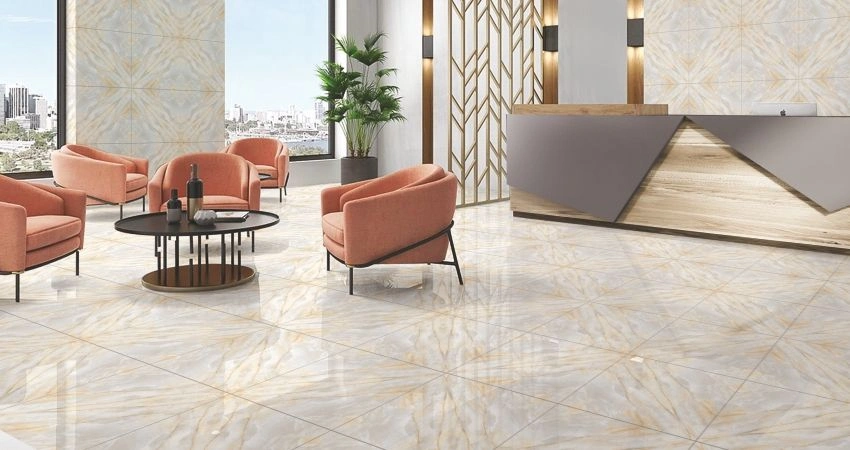
Porcelain tiles are a type of ceramic tile manufactured using refined clay and minerals, fired at extremely high temperatures. This process creates a dense, low-porosity surface that performs exceptionally well in both residential and commercial interiors.
Porcelain tiles are widely used for floors, walls, kitchens, and bathrooms due to their strength and versatility. Options range from large porcelain tile formats to intricate porcelain mosaic tile designs.
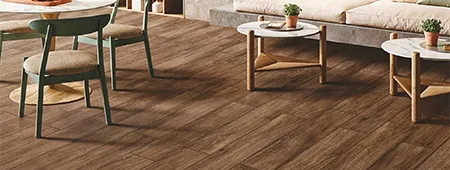
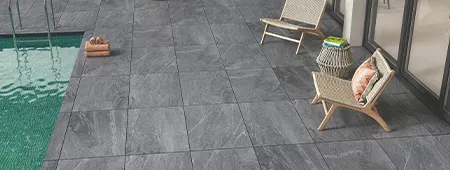
Modern manufacturing allows porcelain to replicate natural materials, including wood effect porcelain tiles and stone effect porcelain tiles, without the associated maintenance challenges. Their durability also makes them suitable for outdoor porcelain tiles, porcelain garden tiles, and even porcelain pool tile applications.
What Is Marble?

Marble is a natural stone formed over centuries through the transformation of limestone under heat and pressure. Known for its luxurious veining and timeless elegance, marble has been used in architecture and interiors for centuries.
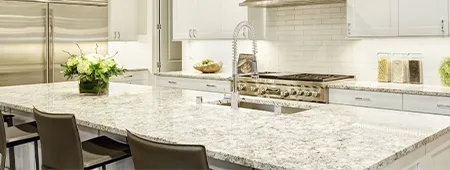
Marble tiles, marble floor tiles, and marble countertops are often associated with premium residential spaces. Many homeowners choose marble bathroom tiles or marble mosaic tile patterns to create a sophisticated visual impact.
However, marble’s natural beauty comes with certain limitations. Being porous and softer than porcelain, marble requires careful handling, sealing, and ongoing maintenance to preserve its appearance.
Porcelain Tiles vs Marble: Side-by-Side Comparison
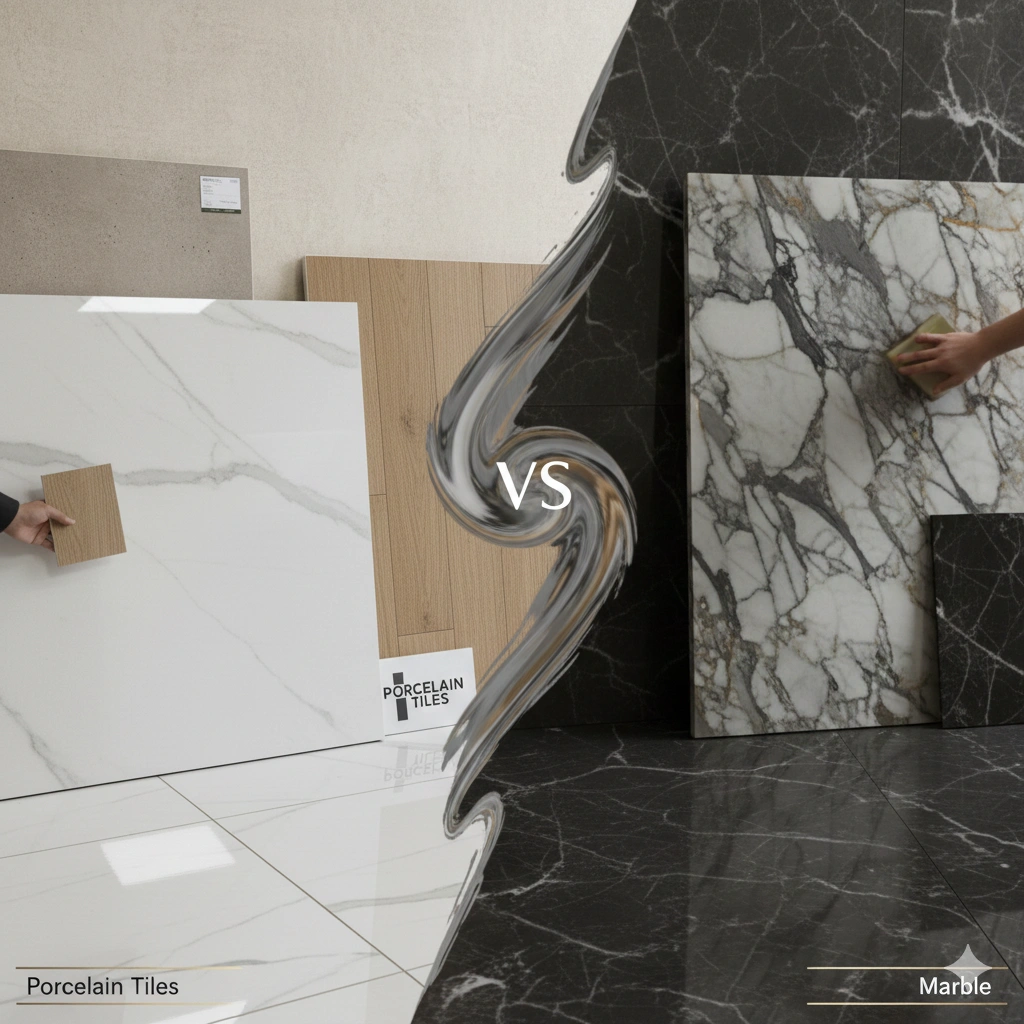
Durability & Wear Resistance
Durability is a key factor when selecting interior surfaces. Porcelain tiles are exceptionally hard-wearing and resistant to scratches, stains, and moisture. This makes them ideal for high-traffic areas such as living rooms, hallways, and porcelain kitchen floor tiles.
In contrast, marble is a softer stone that can scratch, chip, or etch over time. Marble floor tiles may show signs of wear faster, especially in busy households or commercial interiors.
For long-term performance, porcelain tiles generally outperform marble in durability.
Maintenance & Cleaning
One of the biggest advantages of porcelain tiles is ease of maintenance. They require simple cleaning with mild detergents and do not need sealing. Both polished porcelain floor tiles and matte porcelain tile finishes maintain their appearance with minimal effort.
Marble, on the other hand, demands more care. It must be sealed regularly to prevent staining and is sensitive to acidic cleaners. Marble countertops and bathroom surfaces require constant attention to avoid dullness and discoloration.
For homeowners seeking low-maintenance interiors, porcelain tiles offer a clear advantage.
Aesthetic Appeal & Design Options
Marble is admired for its natural veining, where no two pieces look exactly alike. This uniqueness makes marble bathroom tiles and feature walls visually striking and luxurious.
Porcelain tiles, however, offer unmatched design flexibility. From wood effect porcelain tiles that mimic timber to stone effect porcelain tiles inspired by natural stone, porcelain can achieve almost any aesthetic. Available in multiple finishes, colors, and sizes including large porcelain tile slabs porcelain adapts seamlessly to modern and traditional interiors.
Today, porcelain provides the beauty of marble without its natural inconsistencies.
Cost & Value
Cost is a deciding factor for many projects. Porcelain tiles are generally more affordable than marble, both in material and long-term upkeep. Their durability and low maintenance reduce lifetime costs significantly.
Marble tends to be more expensive due to quarrying, transportation, and skilled installation. Additionally, maintenance costs add up over time, especially for marble floor tiles and countertops.
From a value-for-money perspective, porcelain tiles deliver better returns.
Installation Considerations
Porcelain tiles are dense and require professional tools for cutting, especially for large porcelain tile installations. However, once installed correctly, they remain stable and durable for years.
Marble installation is labor-intensive and requires experienced professionals to avoid cracking or uneven surfaces. Its weight and fragility can increase installation time and cost.
Both materials require skilled installation, but porcelain is more forgiving in long-term performance.
Porcelain Tiles vs Marble: At-a-Glance Comparison
|
Aspect |
Porcelain Tiles |
Marble |
|
Durability |
Highly durable and scratch-resistant |
Softer and prone to wear |
|
Maintenance |
Low maintenance, no sealing |
High maintenance, needs sealing |
|
Design Variety |
Wide range of styles and finishes |
Natural but limited patterns |
|
Water Resistance |
Excellent for wet areas |
Porous if not sealed |
|
Overall Cost |
More cost-effective |
Premium and expensive |
Pros & Cons Recap
Porcelain Tiles – Pros
-
Highly durable and scratch-resistant
-
Low water absorption
-
Easy to clean and maintain
-
Wide range of designs and finishes
-
Suitable for bathrooms, kitchens, and even outdoors
Porcelain Tiles – Cons
-
Hard underfoot
-
Cold without underfloor heating
Marble – Pros
-
Natural luxury and timeless appeal
-
Unique veining and patterns
-
Enhances property value in premium spaces
Marble – Cons
-
Requires regular sealing
-
Prone to stains and scratches
-
Higher cost and maintenance
Application Suitability for Interior Spaces
Porcelain tiles are ideal for:
-
Living rooms and bedrooms
-
Porcelain tiles for bathroom and wet areas
-
Kitchens and dining spaces
-
High-traffic zones
-
Outdoor areas using outdoor porcelain tiles
Marble works best in:
-
Statement living areas
-
Feature walls
-
Low-traffic luxury interiors
-
Decorative accents like marble mosaic tile
Expert Opinion: Which Is Better for Modern Interiors?
Interior designers increasingly recommend porcelain tiles for modern homes. The availability of marble-look designs, consistent quality, and ease of maintenance make porcelain a practical alternative to marble.
Marble still holds value in luxury projects where exclusivity and natural aesthetics are prioritized over convenience.
Why Porcelain Tiles Are Gaining Popularity in Interior Design
Advancements in tile technology have transformed porcelain into a premium interior solution. From stone effect porcelain tiles to wood-inspired designs, porcelain delivers both style and strength.
Its adaptability across indoor and outdoor spaces further strengthens its appeal in contemporary architecture.
Ilex Ceramica Porcelain Tile Solutions
Ilex Ceramica offers a refined collection of porcelain tiles designed to meet modern interior demands. With a focus on quality, innovation, and aesthetics, Ilex Ceramica provides tile solutions that balance beauty and performance.
Their porcelain tile range includes designs suitable for living spaces, kitchens, bathrooms, and decorative applications, ensuring durability without compromising style.
Conclusion
When comparing porcelain tiles and marble, the choice ultimately depends on lifestyle, budget, and maintenance expectations. Marble delivers unmatched natural elegance, but it comes with higher costs and ongoing care requirements.
Porcelain tiles offer superior durability, design versatility, and long-term value, making them the preferred choice for modern interiors. With options ranging from polished porcelain floor tiles to matte porcelain tile finishes, porcelain effortlessly balances beauty and performance.
For interiors that demand style without compromise, porcelain tiles stand out as the smarter, more practical solution.
Common Questions (People Also Ask)
1. Is porcelain tiles better than marble for interiors?
Yes, porcelain tiles are often better for interiors due to higher durability, easier maintenance, and cost efficiency while still offering premium aesthetics.
2. Can porcelain tiles replicate marble’s appearance?
Modern porcelain tiles can closely replicate marble through advanced printing, offering marble-like designs without the maintenance challenges.
3. Which is easier to maintain: porcelain tiles or marble?
Porcelain tiles are significantly easier to maintain, as they do not require sealing and resist stains more effectively than marble.
4. Are porcelain tiles suitable for bathrooms and kitchens?
Absolutely. Porcelain tiles for bathroom spaces and porcelain kitchen floor tiles perform exceptionally well due to low water absorption and slip-resistant finishes.