



16 December, 2025
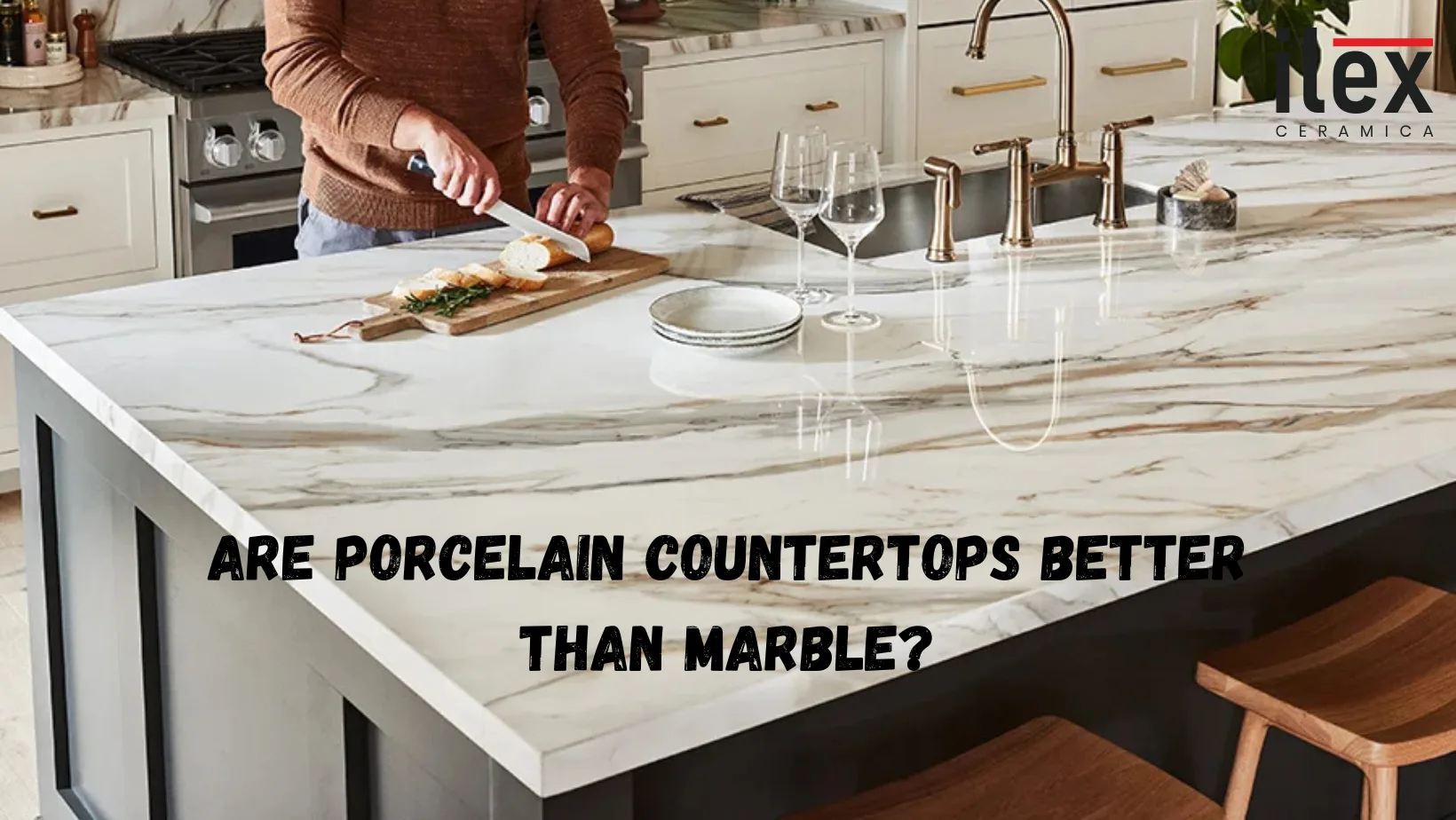
Kitchen and bathroom countertops play a significant role in defining the overall personality of a space. With homeowners becoming more style-conscious and design-forward, selecting the right countertop material has become more important than ever. Among modern choices, porcelain countertops and marble countertops remain the top contenders. Marble has long been admired for its natural, timeless beauty, while porcelain is celebrated for its durability, versatility, and advanced engineering.
As more architects, interior designers, and homeowners explore modern materials, the debate between porcelain and marble becomes crucial. This blog breaks down the differences between these two surfaces, compares performance, durability, appearance, and cost, and helps you decide which one suits your home best all while keeping the latest market trends and practical usage in mind.
What Makes Porcelain Countertops a Popular Choice Today?
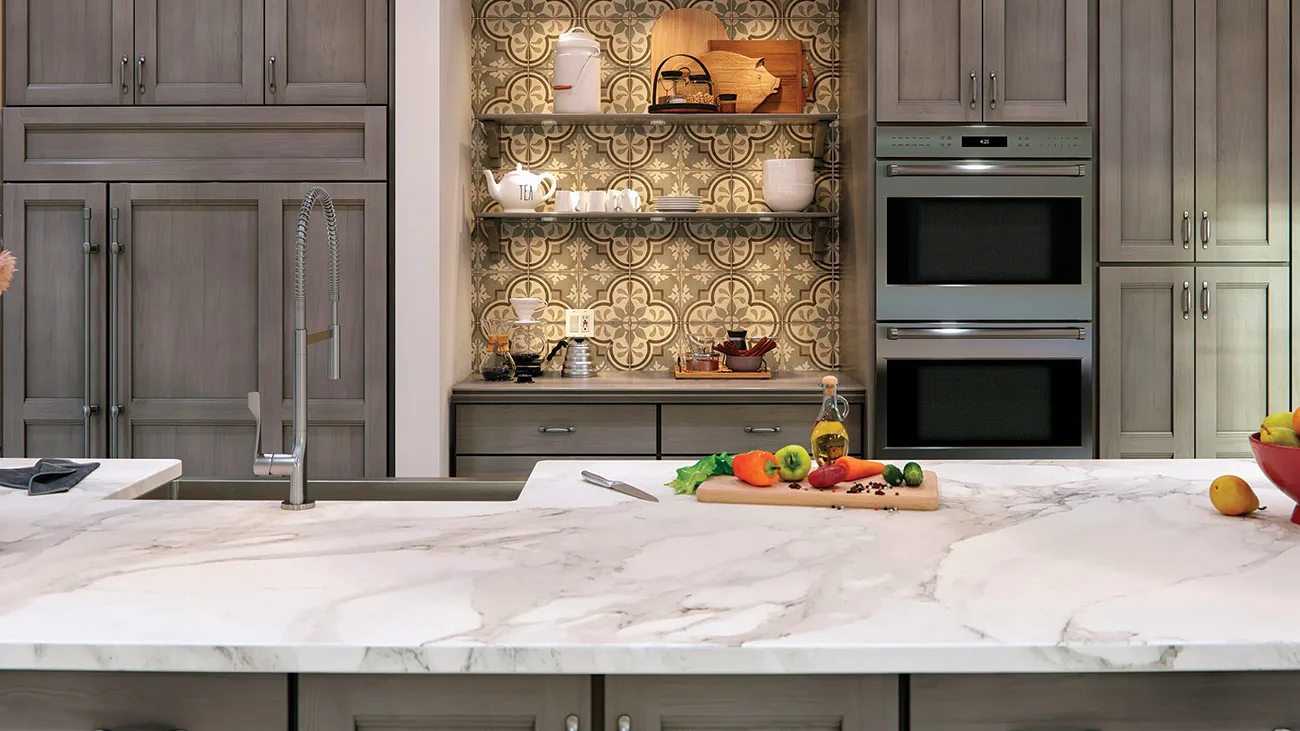
Over the past few years, the popularity of porcelain countertops has surged dramatically. This is largely due to improved manufacturing technology and the growing demand for high-performance, low-maintenance surfaces.
A porcelain worktop is crafted using refined kaolin clay, feldspar, and natural minerals, fired at extremely high temperatures. This process results in a dense, vitrified slab that is incredibly strong. Many modern kitchens now use porcelain slab countertops because they come in large formats, reduce visible joints, and offer sleek, contemporary aesthetics.
Another reason behind the rising demand for porcelain kitchen countertops is the availability of versatile finishes. From polished marble-like looks to textured industrial surfaces, porcelain can replicate materials like marble, granite, cement, terrazzo, and even wood. For compact setups, a porcelain tile countertop is also a workable choice, offering the same durability in smaller modular formats.
With the introduction of large porcelain tile kitchen countertops, homeowners and designers now get the benefits of porcelain combined with a seamless appearance. Its strong resistance to heat, stains, and scratches makes it a practical favorite among modern families.
What Are Marble Countertops Known For?
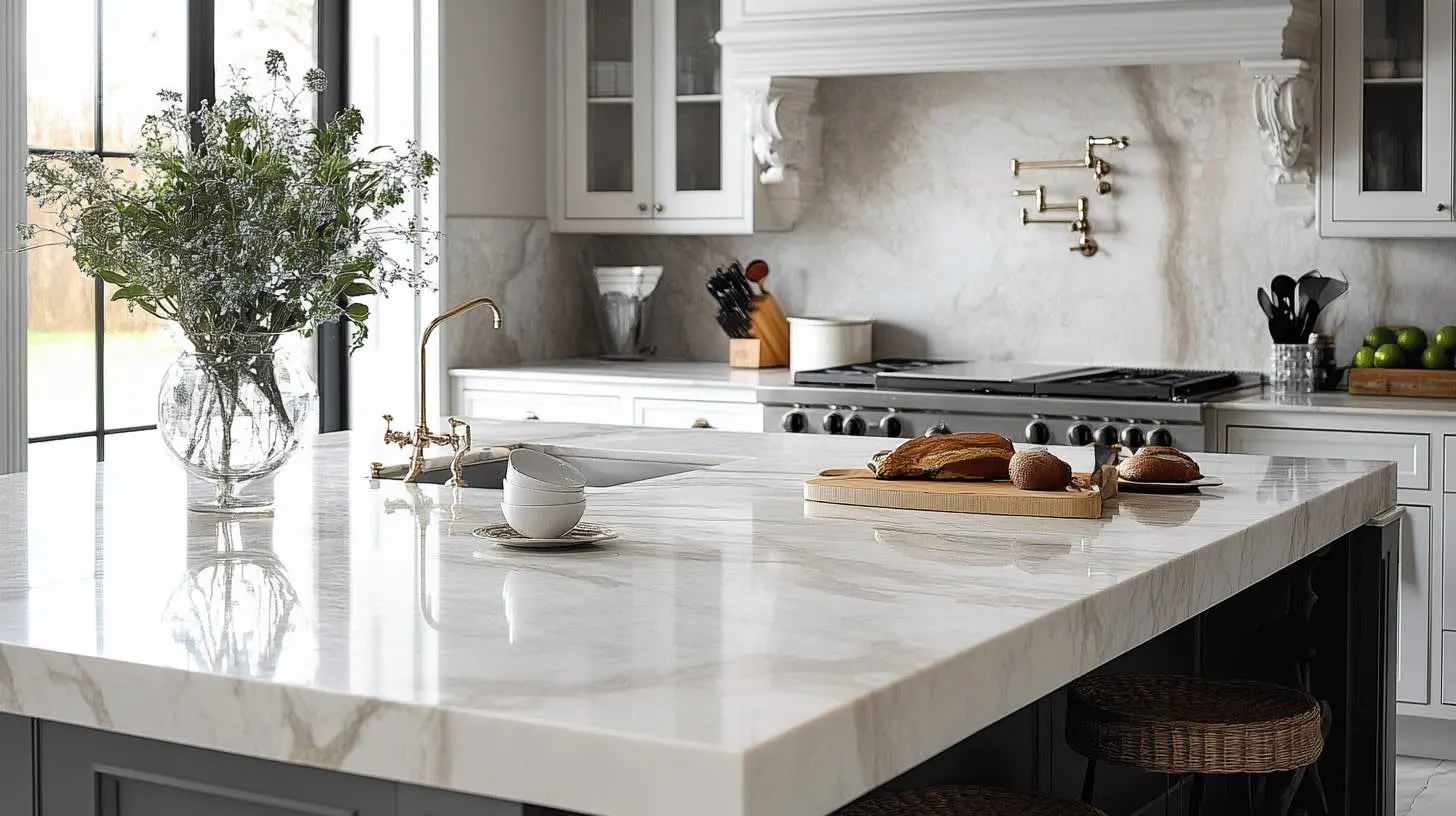
For centuries, marble countertops have been associated with classic luxury and architectural heritage. They are a natural stone formed over millions of years, making every slab unique. This one-of-a-kind appeal is something engineered materials cannot replicate.
Homeowners who desire natural beauty often choose marble kitchen countertops due to their organic veining patterns and soft, elegant finish. Marble surfaces instantly create a premium feel in both modern and traditional kitchens. Among the different types available, white marble countertops and black marble countertops are the most sought after. Each shade brings its own mood white adds brightness, while black adds bold drama.
Design enthusiasts also seek marble worktops for their smooth texture, which stays naturally cool making it ideal for baking and pastry preparation. The aesthetic appeal of marble kitchen worktops elevates the value of a home, making it a popular choice in premium residential projects.
However, despite its beauty, marble is softer and more porous than porcelain. This means it requires sealing, careful cleaning, and periodic maintenance to retain its shine and avoid stains.
Porcelain Countertops vs Marble Countertops: Which Is Better for Your Space?
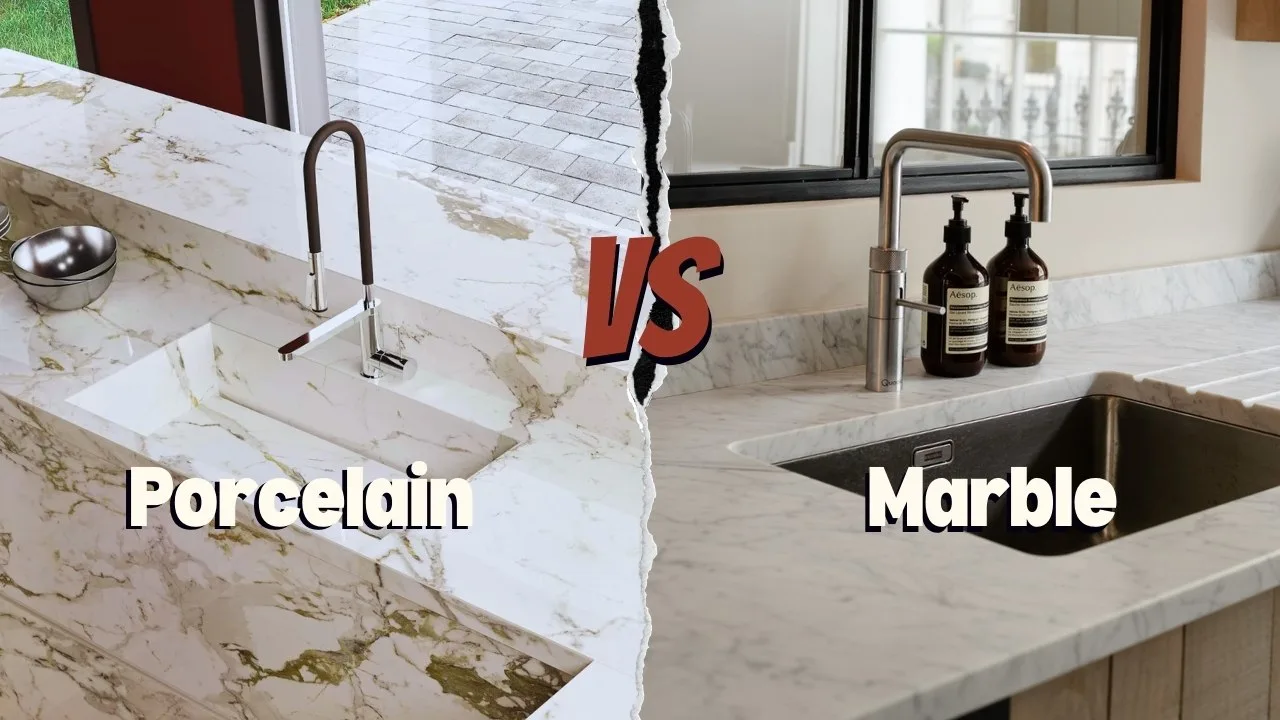
Durability & Lifespan
When it comes to everyday durability, porcelain leads the race. It is engineered to withstand pressure, heat, and scratches more effectively than marble. The density of porcelain slabs makes them ideal for families who cook regularly or use kitchen surfaces heavily.
Marble, while durable in its own right, is more susceptible to wear and tear. Over time, it may develop scratches or etching marks due to acidic spills.
Heat and Scratch Resistance
One of the biggest reasons people choose porcelain countertops is their exceptional resistance to heat. You can place hot pots and pans directly on porcelain without worrying about damage.
Marble, being softer and porous, is more prone to scratches and heat sensitivity. Direct heat can cause discoloration or surface dullness on marble.
Maintenance and Cleaning
Porcelain is famously low-maintenance. It is non-porous, stain-resistant, and does not harbor bacteria making it perfect for modern kitchens. A gentle wipe with soap and water is usually enough.
Marble requires significantly more care. Without sealing, liquids like wine, oil, juice, or vinegar may penetrate the surface and leave permanent marks. Regular sealing is mandatory to maintain its appearance.
Aesthetic Appeal & Design Flexibility
Both materials are visually stunning but for different reasons. Porcelain offers extreme versatility. It can mimic marble, concrete, granite, or wood while giving the homeowner a much more durable surface. This allows designers to achieve marble-like beauty through porcelain slab countertops without the maintenance challenges.
Marble delivers unmatched natural aesthetics. No manufactured surface can truly replicate the depth and natural veining of genuine marble. Homeowners who prioritize natural beauty often lean toward marble despite the extra care it requires.
Water Absorption & Stain Resistance
Porcelain is practically impervious to water. This makes it resistant to stains, fungus, and discoloration.
Marble has higher water absorption and must be sealed regularly to protect it from moisture-related damage.
Comparison Table: Porcelain vs Marble Countertops
|
Feature |
Porcelain |
Marble |
|
Durability |
Very high |
Moderate |
|
Heat Resistance |
Excellent |
Average |
|
Scratch Resistance |
Strong |
Prone to scratches |
|
Maintenance |
Low |
High |
|
Stain Resistance |
Non-porous |
Porous, needs sealing |
|
Design Options |
Many (marble-look included) |
Limited to natural patterns |
|
Cost |
Moderate–Premium |
Moderate–High |
|
Best For |
Busy, modern kitchens |
Luxury & low-use kitchens |
What Are the Pros and Cons of Porcelain Countertops?
Pros
-
Extremely durable and scratch-resistant
-
Heat-resistant surface safe for hot cookware
-
Available in large slab sizes for seamless countertops
-
Non-porous surface ideal for hygiene
-
Low maintenance and easy to clean
-
Wide variety of colors, textures, and finishes
Cons
-
Can chip if heavy items hit the edges
-
Installation requires skilled professionals
-
Premium designs can be expensive
Searches related to porcelain countertops pros and cons highlight that its advantages generally outweigh the limitations, making it a strong contender for long-term kitchen use.
What Are the Pros and Cons of Marble Countertops?
Pros
-
Timeless natural beauty
-
Unique veining in every slab
-
Cool, smooth surface ideal for baking
-
Enhances luxury and property value
Cons
-
Requires regular sealing and maintenance
-
Sensitive to acidic spills
-
Prone to scratches and etching
-
Can be expensive depending on the stone type
Despite the maintenance needs, many homeowners still prefer marble worktops because natural stone offers unmatched authenticity and elegance.
Cost Comparison: Porcelain Countertops vs Marble Countertops
The cost of porcelain countertops varies depending on brand, thickness, finish, and color. Porcelain slabs generally offer excellent value because they require little to no maintenance over time.
On the other hand, marble countertops cost can vary significantly based on quality, rarity, and origin. Premium imported marble varieties can be far more expensive and might require high maintenance over the years, adding to the overall cost.
When considering lifetime value, porcelain often proves more economical due to lower upkeep and longer durability.
Which Countertop Material Is Best for Your Kitchen?
Your choice should depend on your lifestyle, design preference, and maintenance commitment. If you want a practical, modern, and long-lasting solution, porcelain is ideal especially for busy families. It is also perfect for large porcelain tile kitchen countertops, which offer a seamless aesthetic.
However, if you prioritize natural beauty and don’t mind maintenance, marble is unmatched in charm and visual appeal. Homeowners designing luxurious, low-usage kitchens often lean towards marble for its elegance.
Why Choose Ilex Ceramica for Premium Porcelain Countertops?
Ilex Ceramica stands at the forefront of modern surface innovation, offering world-class porcelain countertops crafted with precision, durability, and aesthetic excellence. Using advanced manufacturing technology, Ilex produces high-density porcelain slabs that are resistant to stains, heat, moisture, and daily wear making them ideal for busy residential and commercial kitchens.
Our collection includes a wide range of finishes inspired by natural stone, concrete, and luxurious marble designs. Whether you prefer a subtle matte surface or a bold high-gloss marble-look slab, Ilex delivers exceptional craftsmanship, superior strength, and long-lasting beauty. With strict quality checks, large-format slab options, and surface designs tailored for modern interiors, Ilex Ceramica ensures your countertop not only looks stunning but performs flawlessly for years.
Ilex Ceramica has become a trusted choice for architects, interior designers, and homeowners seeking performance-driven surfaces with a premium aesthetic feel.
Conclusion
Choosing between porcelain and marble countertops ultimately comes down to balancing aesthetics with practicality. Porcelain offers exceptional durability, heat resistance, and low maintenance, making it ideal for modern households that demand long-lasting performance without constant care. Its ability to mimic natural stone while providing superior functionality makes it a preferred choice for contemporary designers and homeowners who value both style and convenience.
Marble, on the other hand, remains the timeless symbol of luxury and elegance. Its natural veining and organic patterns bring unmatched beauty to premium interiors, though this comes with a higher need for sealing and maintenance. If you prioritise effortless upkeep and long-term resilience, porcelain is the smarter investment. But if your goal is to create a sophisticated, high-end aesthetic and you don’t mind extra care, marble will always remain a classic favourite.
FAQs
Q1. Are porcelain countertops better than marble for daily use?
Yes. Porcelain is more durable, scratch-resistant, and low-maintenance, making it ideal for everyday cooking and high-activity kitchens.
Q2. Do porcelain slab countertops stain easily?
No. Porcelain is non-porous and highly resistant to stains, even from acidic or colored liquids.
Q3. Which is easier to clean porcelain or marble?
Porcelain is significantly easier to clean because it is non-porous. Marble requires specialized cleaners and regular sealing.
Q4. What is the difference between porcelain worktops and porcelain tile countertops?
Porcelain worktops refer to large-format slabs with minimal joints, while porcelain tile countertops use smaller tiles installed together.
Q5. Is porcelain more expensive than marble?
Porcelain can be moderately priced, but premium designs may cost more. Marble pricing varies widely, especially for imported stones.