


11 December, 2025
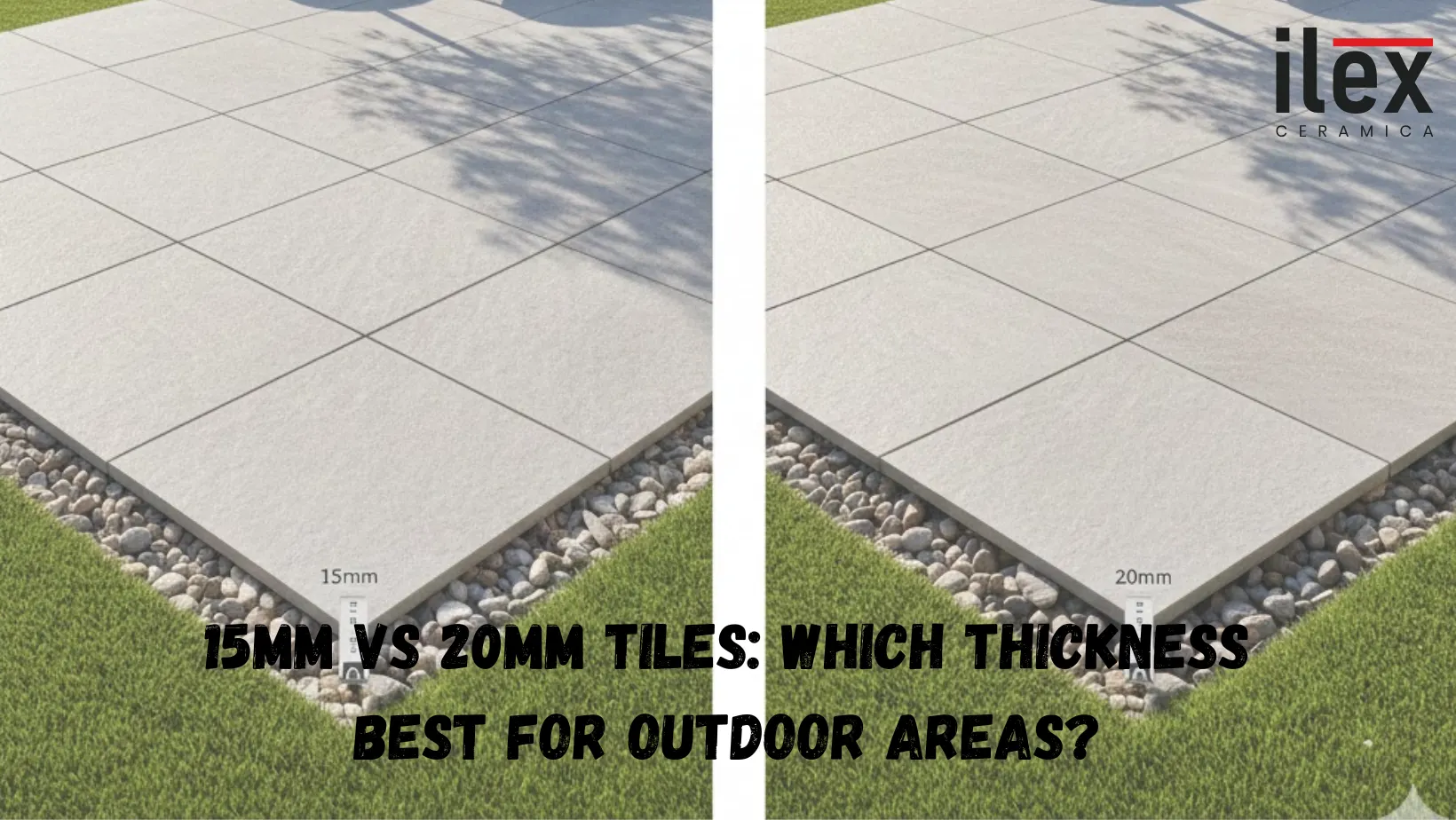
Outdoor flooring has evolved significantly over the past decade. Homeowners and designers now look beyond traditional concrete or stone, choosing durable and stylish outdoor tiles that enhance both performance and aesthetics. Within this category, the most debated topic is tile thickness specifically, whether 15mm tiles or 20mm tiles perform better in outdoor environments.
Tile thickness isn’t just a technical detail. It directly affects load-bearing strength, weather resistance, safety, and long-term durability. In this detailed guide, we compare both options to help you choose the ideal thickness for your patios, gardens, driveways, terraces, walkways, and other exterior spaces.
Why Tile Thickness Matters for Modern Outdoor Spaces
Outdoor areas face daily challenges moisture, sunlight, temperature shifts, heavy furniture, and sometimes even vehicle movement. Because of this, tile thickness becomes an essential factor when selecting flooring.
15mm tiles are slightly thicker than standard indoor tiles and offer a balance between durability and design flexibility. 20mm tiles, on the other hand, are engineered specifically for heavy-duty outdoor use, making them one of the most reliable options worldwide for patio tiles, porcelain paving, and exterior tiles.
Choosing the right thickness ensures:
-
Long-term resistance to cracks
-
Stable outdoor tile installation
-
Enhanced load strength
-
Better safety through slip-resistant finishes
This guide explores the strengths and limitations of both to help you decide.
The Role of Tile Thickness in Outdoor Durability and Performance
Outdoor tiles face more challenging conditions than indoor floors. Thickness plays a vital role in determining how well the tiles withstand:
-
Load-bearing strength
Thicker tiles handle heavier loads, outdoor furniture, grills, potted plants, and even light vehicles.
-
Crack and impact resistance
Temperature fluctuations cause expansion and contraction; adequate thickness prevents fractures.
-
Weather endurance
Outdoor tiles must resist UV exposure, frost, humidity, and rain. A thicker structure supports better thermal performance.
-
Surface stability
Correct thickness ensures tiles remain stable over time, especially important for garden tiles and porcelain paving slabs.
When selecting between 15mm and 20mm, these performance factors become crucial for long-term value.
What Are 15mm Outdoor Tiles and Where Do They Fit Best?
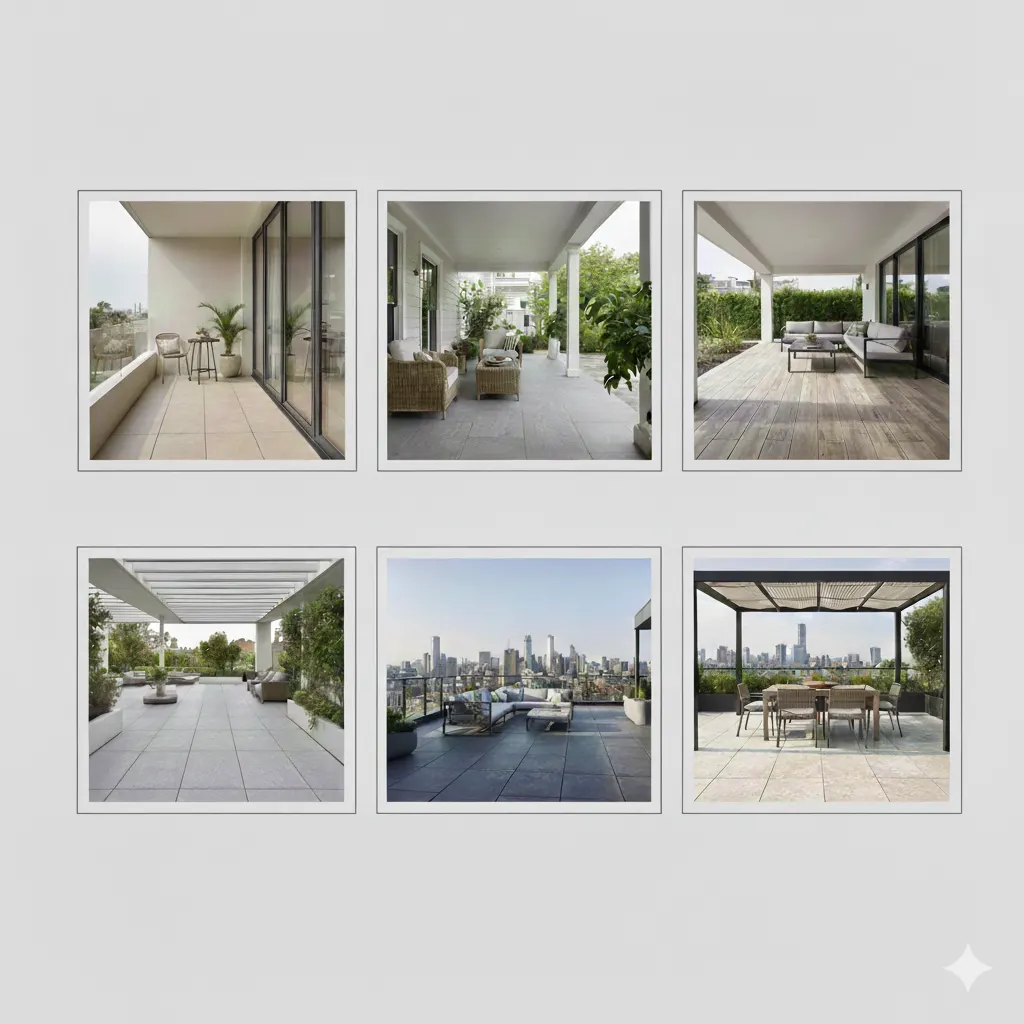
15mm tiles are a popular choice for semi-outdoor and light outdoor spaces. They offer a perfect middle ground between indoor thickness and outdoor durability.
Characteristics of 15mm Tiles
-
Stronger than standard indoor tiles
-
Compatible with adhesive-based installation
-
Available in various finishes including matte and textured
-
Lightweight and easier to cut and work with
-
More cost-efficient than thicker alternatives
Best Applications for 15mm Tiles
15mm tiles perform exceptionally well in areas without heavy loads or extreme outdoor exposure, such as:
-
Balconies
-
Verandas
-
Covered patios
-
Semi-outdoor terraces
-
Rooftop sit-out spaces
-
Outdoor dining areas that do not require heavy load handling
These locations typically have stable concrete bases and limited environmental stress, making 15mm tiles a practical option.
Limitations of 15mm Tiles
-
Not suitable for driveways or pathways with vehicle movement
-
Should not be used for loose-lay installation on grass or sand
-
More prone to pressure cracks if installed on uneven surfaces
While 15mm outdoor tiles offer great style and durability, they need the proper application context to perform optimally.
Understanding 20mm Outdoor Tiles and Their Growing Popularity
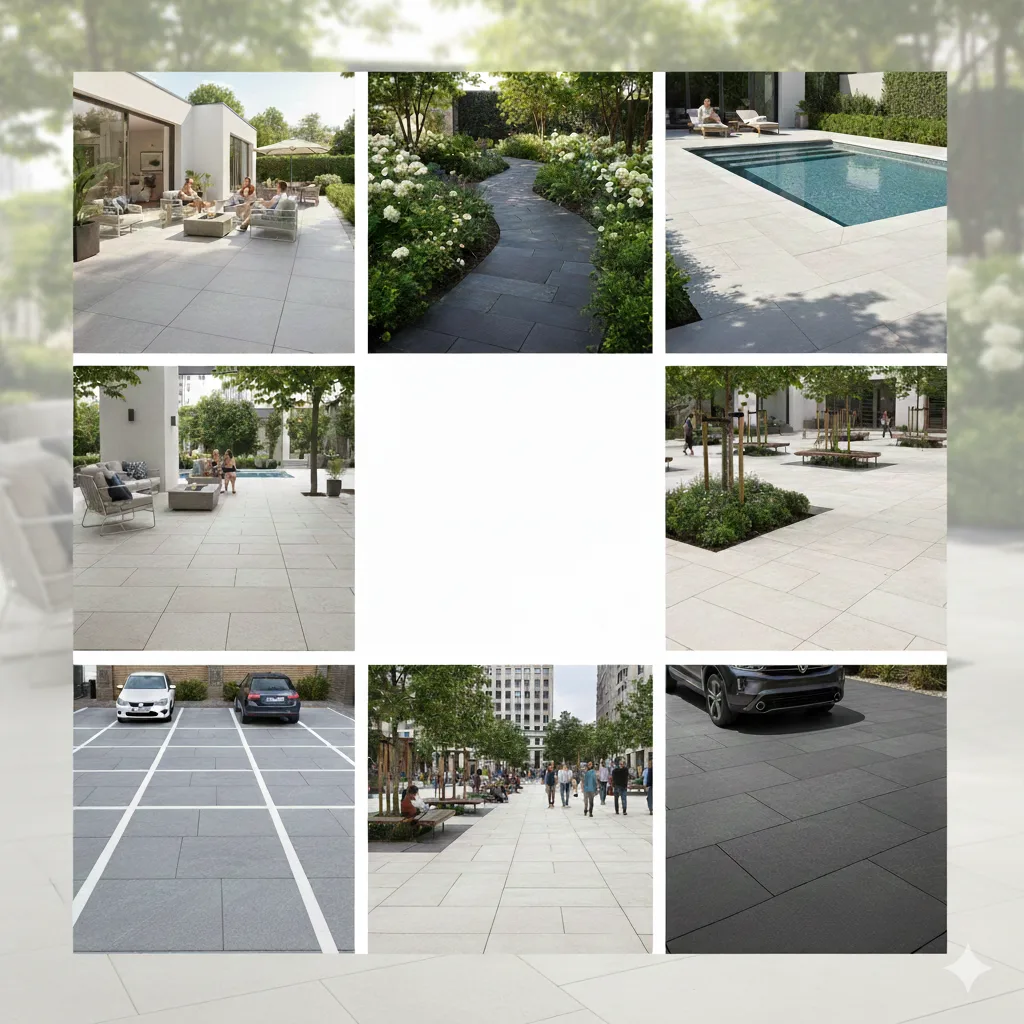
Across Europe, the Middle East, and India, 20mm tiles have become the new benchmark for premium outdoor floor tiles. These tiles are essentially porcelain paving slabs designed to withstand high-impact usage and demanding weather conditions.
Key Features of 20mm Tiles
-
Twice as thick as standard porcelain tiles
-
Extremely dense and slip-resistant
-
Suitable for adhesive, dry-lay, or pedestal installation
-
Do not warp or crack under temperature stress
-
Heavy-duty rating for landscape and architectural projects
Ideal Use Cases for 20mm Tiles
Because of their enhanced strength and stability, 20mm tiles are perfect for:
-
Patios
-
Outdoor leisure areas
-
Gardens and walkways
-
Pool decks
-
Parking spaces
-
Commercial landscapes
-
Public outdoor spaces
-
Driveways using 20mm porcelain paving
These tiles are engineered to stay intact even in moisture-heavy or high-traffic zones.
Why 20mm Tiles Are Increasingly Preferred
-
Excellent anti-slip properties
-
Low water absorption
-
Scratch and impact resistance
-
Superior dimensional stability
-
Allow multiple installation methods (including cement-free systems)
For long-term outdoor flooring solutions, 20mm tiles are widely considered the best choice.
In-Depth Comparison: Key Differences Between 15mm vs 20mm Tiles
Here is a closer look at how both thicknesses differ in performance:
1. Strength & Durability
-
15mm tiles: Moderate load capacity; ideal for light-use outdoor spaces.
-
20mm tiles: High strength; recommended for heavy foot traffic and vehicle movement.
2. Installation Flexibility
-
15mm tiles: Require adhesive installation only.
-
20mm tiles: Easily installed using adhesive, gravel, sand, or raised pedestal systems.
3. Slip Resistance
Both thicknesses offer slip-resistant textures, but 20mm tiles typically come with deeper surface patterns ideal for poolside or wet outdoor areas.
4. Weight & Handling
-
15mm tiles are easier to lift, cut, and install.
-
20mm tiles require professional handling due to weight and density.
5. Cost & Long-Term Value
20mm tiles may cost more initially but offer:
-
Higher durability
-
Lower maintenance
-
Longer lifespan
This makes them a more cost-effective option for outdoor spaces that require maximum strength.
Choosing the Best Tile Thickness Based on Outdoor Applications
Not all outdoor areas have the same requirements. Here’s the ideal thickness for different spaces:
Patios & Sit-Out Areas
-
15mm or 20mm both work well depending on load and exposure.
-
20mm is better for open patios exposed to weather.
Gardens & Walkways
-
20mm porcelain garden tiles or porcelain paving slabs provide superior stability.
Pool Decks
-
Both thicknesses work with anti-slip finishes, but 20mm tiles offer better thermal shock resistance.
Driveways & Parking Spaces
-
Only 20mm outdoor tile options are recommended due to high load handling.
Terraces & Rooftops
-
15mm tiles are suitable when installed on a proper concrete bed.
-
20mm tiles can be used with pedestal systems for advanced drainage.
Choosing the right thickness depends on whether the location experiences heavy load, frequent wetness, or direct exposure.
Are 15mm Tiles Truly Suitable for Outdoor Spaces? Understanding Their Limits
Yes but only in specific conditions.
Where 15mm Tiles Perform Well
-
Low-traffic outdoor areas
-
Shaded patios
-
Renovation projects where floor height is limited
-
Balcony flooring
-
Covered sit-out spaces
When 15mm Tiles May Not Work
-
Driveways
-
High-traffic gardens
-
Open landscape pathways
-
Spaces with soil movement
-
Areas exposed to extreme weather
In these cases, 20mm tiles provide better long-term structural stability.
Why 20mm Tiles Are the Preferred Choice for Heavy-Duty Outdoor Use
20mm tiles are specifically engineered for outdoor challenges. They are the top choice for architects designing high-performance exterior spaces.
Why They Stand Out
-
Capable of bearing high static and dynamic loads
-
Better grip due to deep-textured finishes
-
Minimal water absorption
-
Resistant to stains, frost, and UV fading
-
Compatible with cement-free dry-lay installation
Where They Work Best
-
Large patios
-
Outdoor dining zones
-
Parking tiles
-
Swimming pool surrounds
-
Luxury outdoor landscapes
For durability, safety, and visual appeal, 20mm porcelain paving is unbeatable.
Installation Techniques: How 15mm and 20mm Tiles Are Installed Differently
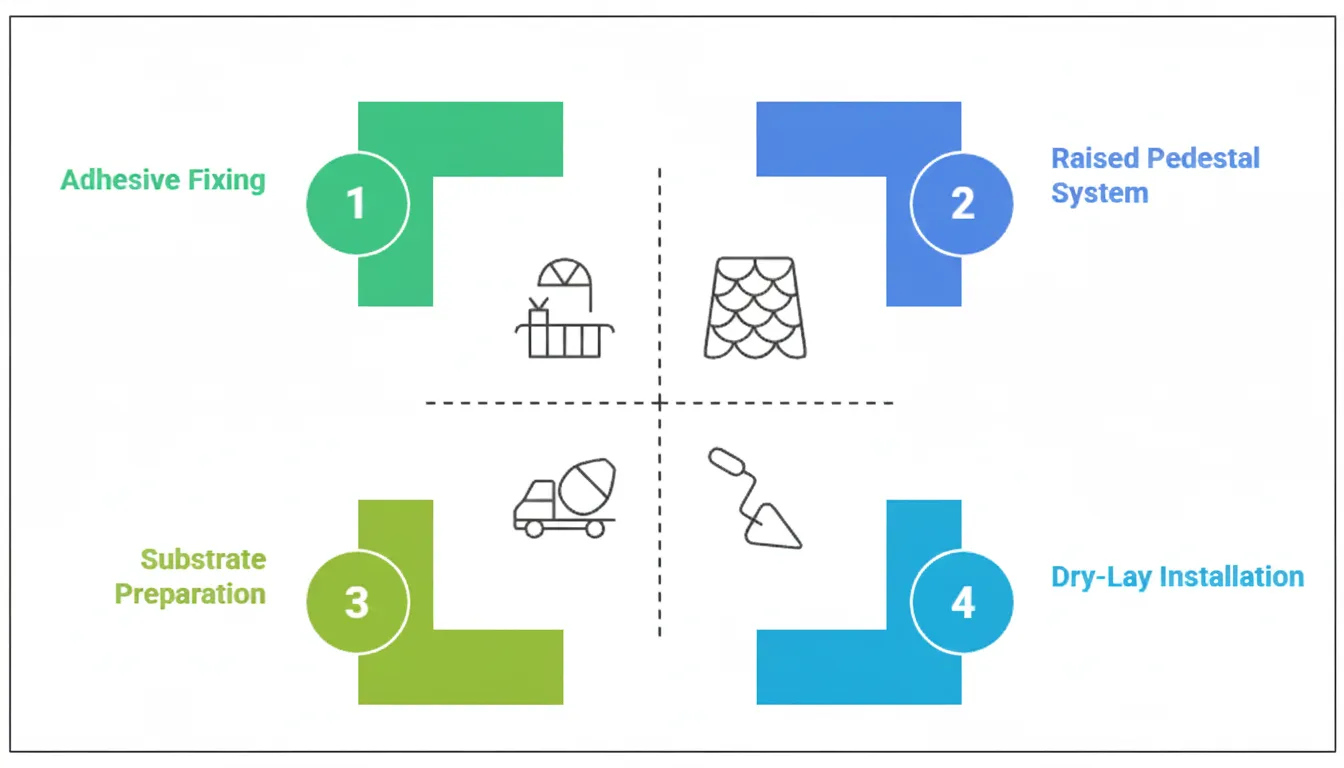
Installation determines long-term performance. Each thickness supports specific methods:
1. Adhesive Fixing (Both)
-
Ideal for balconies, terraces, and concrete bases
-
Ensures long-term adhesion
-
Requires proper leveling and joint spacing
2. Dry-Lay Installation (20mm Only)
-
Installed directly on grass, gravel, or sand
-
Movable and easy to reposition
-
Environment-friendly with no adhesive usage
3. Raised Pedestal System (20mm Only)
-
Used for rooftops, terraces, and commercial outdoor floors
-
Creates space for drainage and utilities underneath
-
Gives a premium, seamless appearance
4. Substrate Preparation
-
15mm tiles require full adhesive coverage.
-
20mm tiles need a compact base layer if dry-laid.
Choosing the right installation method ensures tile stability and longevity.
Why Ilex Ceramica Is a Trusted Name for Outdoor Tile Solutions
Ilex Ceramica offers a premium range of 15mm tiles, 20mm tiles, and specialized outdoor tiles India designed for high performance in every climate. Their collection includes:
-
Porcelain paving slabs
-
Garden tiles
-
Patio tiles
-
Outdoor porcelain tiles
-
Exterior tiles in modern finishes
With advanced manufacturing processes, superior slip-resistant textures, and exceptional durability, Ilex Ceramica provides outdoor flooring solutions trusted by global homeowners, architects, and contractors.
Conclusion:
Both tile thicknesses serve specific purposes.
-
Choose 15mm tiles for semi-outdoor and light-use areas where height and ease of installation matter.
-
Choose 20mm tiles for patios, gardens, driveways, pool decks, and spaces requiring maximum strength and weather resistance.
Understanding your space, climatic conditions, and load expectations will lead you to the best choice. For reliable, long-lasting, and stylish outdoor flooring, select premium outdoor tiles that match both performance and aesthetics.
FAQs
1. Are 15mm tiles strong enough for outdoor areas?
Yes, they are suitable for light-use spaces like balconies and covered patios with proper adhesive installation.
2. Is 20mm porcelain paving suitable for driveways?
Yes. 20mm tile slabs are engineered for high load-bearing capacity, making them ideal for driveways and parking zones.
3. What is the difference between outdoor tiles and outdoor porcelain tiles?
Outdoor porcelain tiles offer higher density, better slip resistance, and superior weather durability compared to standard ceramic outdoor tiles.
4. Are non slip outdoor tiles essential in rainy climates?
Absolutely. Non slip outdoor tiles ensure safety in wet conditions and are highly recommended for pool decks, garden paths, and exposed patios.
5. Can outdoor tiles be installed without cement?
Yes 20mm tiles can be installed using dry-lay methods on gravel, grass, or sand, as well as through pedestal system.