

02 October, 2026

Flooring for Danish homes and commercial spaces must balance design, strength, safety, and simple maintenance. The right product also needs to suit local conditions, from wet entrances to cold outdoor areas.
India offers a broad choice of ceramic, porcelain, and vitrified products for international buyers. However, choosing a floor tiles exporter to Denmark should involve more than comparing unit prices. Importers must also review technical data, batch consistency, packaging, documents, and delivery terms.
This guide explains the main tile types, sizes, finishes, quality checks, and import considerations. It can help distributors, architects, contractors, and project buyers evaluate suitable porcelain flooring solutions for Denmark.
Why Source Floor Tiles from India?

Options for Residential and Commercial Projects
Indian suppliers can serve a wide range of design and project needs. Residential floor tiles may be used in kitchens, bathrooms, living rooms, hallways, and utility areas. Commercial floor tiles may be specified for shops, offices, hotels, restaurants, and other busy spaces.
Buyers can consider surfaces inspired by marble, timber, concrete, and natural stone. This variety makes it easier to build coordinated collections for different customer groups. The final selection should always match the expected traffic, moisture, cleaning routine, and installation environment.
Flexible Sizes, Finishes, and Order Planning
Common choices include standard formats and large format floor tiles. Availability, minimum order quantity, mixed loading, and production schedules vary by supplier. These points should be confirmed before samples or purchase orders are approved.
Importers should also review carton quantities, pallet dimensions, container capacity, and batch planning. Good planning reduces unused space and helps buyers keep related products from the same production lot.
Look Beyond the Factory Price
A low quotation does not always produce a low landed cost. Inconsistent shade, weak packaging, delayed documents, or excess breakage can lead to installation delays and customer claims.
Which Floor Tile Types Work Well in Denmark?
Ceramic Floor Tiles
Ceramic floor tiles can be a practical choice for selected indoor and light-duty areas. They are often easy to handle and may suit projects with controlled foot traffic. Buyers should confirm that the chosen ceramic product is rated for floor use rather than wall use.
Porcelain and Vitrified Floor Tiles
Porcelain floor tiles and vitrified floor tiles have dense bodies and are often selected for busy or moisture-prone spaces. Relevant characteristics may include low water absorption, good breaking strength, stain resistance, and durability under regular use.
These qualities can support residential and commercial projects, but product names alone are not proof of performance. Test values must match the intended application. A porcelain tile designed for an indoor living room, for example, should not be assumed to suit a frozen outdoor terrace.
GVT, PGVT, and Full-Body Vitrified Tiles
GVT floor tiles are glazed vitrified tiles with decorative surfaces. Digital graphics can create marble, timber, concrete, or stone effects.
PGVT floor tiles are polished glazed vitrified tiles. Their reflective finish can make interiors feel brighter and more spacious. Buyers should consider cleaning needs and tested slip performance before using them in wet areas.
Full body vitrified tiles carry their colour and composition through the tile body. They can be useful in high-use areas where visible wear or minor edge damage is a concern.
Popular Design Effects
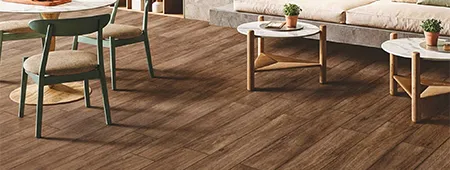
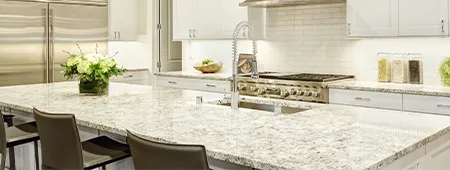
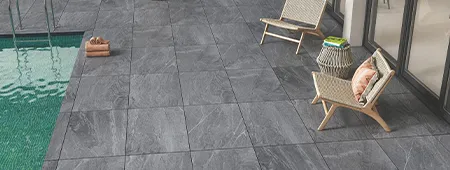
Marble look floor tiles support refined interiors without relying on natural marble. Wood look floor tiles bring warmth to kitchens, living spaces, and hospitality projects. Stone look floor tiles can suit modern interiors and selected outdoor schemes.
Design should be assessed with practical needs. Consider slip resistance, abrasion, lighting, grout colour, traffic levels, and cleaning methods before choosing premium floor tiles.
How Should Buyers Choose Sizes and Finishes?
600x600 Floor Tiles for Flexible Layouts
600x600 floor tiles work in many homes, shops, offices, and hospitality interiors. Their manageable size can simplify handling, cutting, installation, and future replacement. They are also useful where room geometry or substrate conditions make larger slabs less practical.
600x1200 and Large-Format Tiles
600x1200 floor tiles create a clean, contemporary appearance with fewer grout lines. They are often considered for open-plan rooms, reception areas, retail spaces, and premium interiors.
Large tiles require careful handling and installation. The base must be flat, stable, and properly prepared. Installers also need suitable adhesives, levelling tools, cutting equipment, and lifting methods. Poor preparation can increase lippage or create unsupported areas below the tile.
Polished vs Matt Floor Tiles
Polished floor tiles reflect light and can support an elegant interior. They may also show smudges, water marks, or fine surface scratches more clearly. Wet-area use should depend on test results, not appearance.
Matt floor tiles have a softer, less reflective finish. They are often considered for kitchens, bathrooms, entrances, and commercial areas. Yet “matt” does not automatically mean slip-resistant. The declared slip result should still be reviewed.
Rectified Edges and Lippage
Rectified floor tiles have precisely finished edges that support neat and consistent joints. They are not intended for joint-free installation. Tile warpage, substrate flatness, joint width, layout, and installer skill all affect the finished surface.
What Standards Apply to Tiles Imported into Denmark?

CE Marking and Product Documentation
Products covered by applicable European construction-product rules may require CE marking and a Declaration of Performance. Buyers should check product identification, declared characteristics, traceability, and the details of responsible parties.
EN 14411 covers European requirements for ceramic tiles, while ISO 13006 addresses tile classification and technical characteristics. Rules can change, so importers should confirm current obligations with the relevant EU authorities or a qualified compliance adviser before shipment.
Technical Values to Check
A dependable floor tiles supplier should be able to provide relevant technical information for the selected product. Depending on its use, buyers may need to review:
- Water absorption
- Breaking strength and modulus of rupture
- Size and dimensional tolerances
- Surface quality and edge condition
- Abrasion and wear resistance
- Scratch, stain, and chemical resistance
- Slip-resistance test results
- Frost resistance for outdoor applications
Slip Resistance in Wet and Busy Areas
Anti-skid floor tiles may be considered for bathrooms, kitchens, entrances, terraces, and commercial floors. Claims such as “anti-skid” should be linked to a recognised test method and declared result. EN 16165 may be relevant when assessing pedestrian slip resistance.
No surface should be promoted as completely slip-proof. Water, grease, cleaning products, footwear, and poor maintenance can affect real-world performance.
Outdoor Tiles and Freeze-Thaw Conditions
Outdoor floor tiles used in Denmark should have verified water absorption and frost-resistance data. The complete installation must also manage drainage, waterproofing, movement, and freeze-thaw exposure.
Even a frost-resistant tile can fail if water becomes trapped below it. Suitable adhesive, grout, falls, movement joints, and substrate preparation are essential parts of the system.
How to Evaluate a Floor Tiles Exporter to Denmark
Request Technical and Commercial Documents
Before placing an order, ask the exporter for the documents relevant to the tile and shipment. These may include:
- Product data sheets and test reports
- CE and DoP documents where applicable
- Commercial invoice and packing-list formats
- Country-of-origin documentation
- HS code details for buyer verification
- Pallet and container-loading information
- Warranty terms and claims procedures
Approve Samples Before Production
- Define the intended application and required performance.
- Obtain physical samples of shortlisted products.
- Review colour and finish under the project’s lighting.
- Approve the size, edge, shade, and surface reference.
- Confirm how production goods may vary from samples.
- Keep approved samples for later comparison.
Control Shade, Calibre, and Batch Variation
Tiles can vary between production lots. Where possible, order enough material from one batch for each visible area. Check shade and calibre codes, and avoid mixing unverified lots in the same room.
For large orders, buyers can request pre-shipment photographs or arrange an inspection. The agreed checks should cover quantity, carton labels, dimensions, visible defects, pallet condition, and batch identification.
Assess Communication and Export Support
A suitable exporter should give clear answers about lead times, order quantities, production schedules, packing, documents, and loading dates. Buyers should also understand how shortages, damage, or quality concerns will be reported and resolved.
Shipping Floor Tiles from India to Denmark
From Approval to Delivery
A typical order moves through product selection, sample approval, proforma invoice, production, inspection, palletisation, export documentation, ocean freight, customs clearance, and inland delivery.
Each stage should have a clear responsible party and target date. The agreed Incoterm must also state where cost and risk transfer between seller and buyer.
Packaging and Breakage Prevention
International tile shipments need strong cartons, stable pallets, protected edges, clear labels, and balanced container loading. Moisture protection and batch traceability are also important.
Importers should confirm how cartons are stacked, secured, and identified. Transit insurance and pre-shipment checks can reduce financial risk, although no packaging method can promise zero breakage.
Calculate the Full Landed Cost
The landed cost may include the product price, Indian inland transport, port charges, freight, insurance, customs clearance, import duty where applicable, VAT, Danish transport, warehousing, inspection, and a breakage allowance.
Buyers should verify current tariffs through EU Access2Markets or TARIC using the correct HS classification. Ceramic products are commonly classified within Chapter 69, but the exact code depends on the product.
Tile Selection Examples for Danish Projects

Kitchen or Residential Entrance
Consider matt porcelain tiles with an easy-clean surface, suitable stain resistance, and verified wet slip performance. If underfloor heating is planned, check the full system, including the base, adhesive, grout, movement joints, and heating procedure.
Retail or Hospitality Interior
Useful criteria include high strength tiles, wear resistant flooring, consistent shade, rectified edges, and a maintenance-friendly finish. The selected product should be suitable for the expected level of commercial traffic.
Terrace or Outdoor Entrance
Prioritise low water absorption, verified frost resistance, suitable slip performance, and effective drainage. Outdoor-rated installation materials must be selected for the substrate and local exposure.
Premium Open-Plan Room
A 600x1200 marble or stone effect can create a spacious look. Plan the layout, grout joints, cuts, and movement areas before installation. Large-format work should be completed by installers with suitable tools and experience.
Work with a Floor Tiles Supplier for Denmark
Ilex Ceramica can be considered as a potential sourcing contact when evaluating tile supply from India. Buyers should request the latest catalogue and verify current products, sizes, finishes, specifications, order requirements, and export services directly with the company.
A useful inquiry should include:
- Required dimensions and thickness
- Preferred design and finish
- Indoor or outdoor application
- Estimated quantity
- Destination in Denmark
- Required technical standards
- Packaging and labelling needs
- Target delivery date
Request the latest catalogue, technical specifications, samples, MOQ, export packaging details, and quotation from ILEX Ceramica.
Floor Tiles Exporter & Supplier to Denmark
Conclusion
Selecting a floor tiles exporter to Denmark requires careful product and supplier checks. Start with the application, then assess water absorption, strength, slip resistance, wear, frost exposure, size, and finish. Follow this with sample approval, document review, batch control, and packaging checks.
Do not choose a floor tiles supplier on price alone. A well-planned order can reduce breakage, installation problems, delays, and claims. Contact Ilex Ceramica with a detailed requirement and request current samples, specifications, compliance documents, packing information, and commercial terms before confirming an order.
Frequently Asked Questions
1. Which floor tiles are best for Danish homes?
The answer depends on the room. Porcelain and vitrified products may suit busy or moisture-prone areas. Bathrooms need suitable slip performance, while exterior areas require verified frost resistance and proper drainage.
2. Are Indian porcelain tiles suitable for Denmark?
They can be suitable when the specific product meets the project’s performance, documentation, CE marking, and applicable European requirements. Buyers should assess test reports rather than relying only on a product description.
3. Are polished tiles suitable for bathrooms?
Only when tested slip performance is appropriate for the intended wet area. A polished finish can become slippery when contaminated with water or soap, so suitability should never be assumed.
4. What is the difference between GVT and PGVT?
GVT means glazed vitrified tile. PGVT generally means polished glazed vitrified tile. PGVT has a more reflective finish, while other GVT surfaces may be matt, textured, or softly finished.
5. Can porcelain tiles be used with underfloor heating?
Porcelain is commonly used with underfloor heating. The substrate, adhesive, grout, movement joints, heating protocol, and installer guidance must work together as one system.