


11 September, 2026
Israeli tile buyers must balance design, quality, compliance, delivery, and landed cost. A low factory quote may look attractive, but weak packaging or mixed shades can make an order far more expensive.
This guide explains how to choose a ceramic tiles exporter to Israel, compare products, review technical documents, and plan shipping. Ilex Ceramica works with buyers seeking Indian ceramic tiles. Importers should confirm product specifications, availability, and import requirements before placing each order.
Why Import Indian Ceramic Tiles to Israel?

Broad Product and Design Selection
Indian suppliers can serve many parts of the residential and commercial tile market. Product categories may include vitrified ceramic tiles, glazed ceramic tiles, porcelain tiles, wall tiles, floor tiles, and outdoor ceramic tiles.
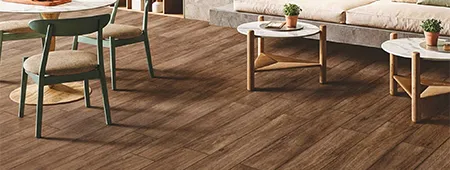
Surface designs can reflect marble, wood, stone, or concrete. This range helps distributors build collections for homes, shops, offices, hotels, and other projects. Buyers should request a current catalogue because designs, sizes, and production schedules may change.
Flexible Sizes and Finishes
Ceramic tile sizes should match local demand and installation needs. Large-format tiles can create a clean appearance, while smaller formats may suit compact rooms or detailed layouts.
Common ceramic tile finishes include matt, glossy, polished, satin, textured, and rustic surfaces. Each finish has different cleaning, wear, and installation needs. A polished surface, for example, should not be selected for a wet floor based on appearance alone.
Commercial Value for Distributors
Israeli distributors may compare suppliers based on available designs, order quantities, packaging, lead time, and repeat-order consistency. Private-label or mixed-design options may also be discussed when available.
Which Ceramic Tiles Are Best for Israel?
Porcelain and Vitrified Ceramic Tiles
Porcelain and vitrified products are often considered for busy residential and commercial floors. Their suitability depends on measurable properties such as water absorption, breaking strength, surface wear, and dimensional accuracy.
Do not rely on a product name alone. Ask the ceramic tile supplier for a technical data sheet and relevant test results. The correct choice will depend on the installation area, traffic level, substrate, and maintenance plan.
Glazed Wall and Floor Tiles
Glazed ceramic tiles offer a wide choice of colours and ceramic tile surface designs. They are often considered for kitchens, bathrooms, interior walls, and selected floor areas.
A wall-rated product should not be assumed to be suitable for flooring. Floor tiles must handle foot traffic and the expected load. Confirm the intended use and performance data before adding a product to a project specification.
Outdoor and Slip-Resistant Floor Tiles
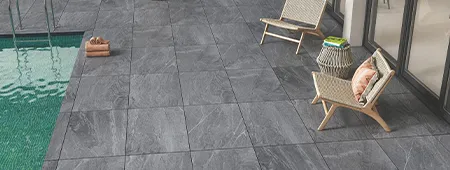
Balconies, patios, walkways, and pool surroundings may need textured or slip-resistant floor tiles. Ask for the test method and reported value instead of accepting an unsupported “anti-slip” label.
Outdoor products may also face water, heat, sunlight, and thermal movement. Product selection should be reviewed together with proper adhesives, joints, drainage, and installation practices.
Water- and Stain-Resistant Options
Water-resistant ceramic tiles should be compared through stated water-absorption results. For kitchens and commercial interiors, stain and chemical resistance may also affect long-term care.
A useful product matrix should list the tile body, size, thickness, finish, application, water absorption, and available slip or stain data. This makes comparison easier for sales and procurement teams.
How Do You Choose a Ceramic Tile Exporter?
Verify Production and Supply Capabilities
Ask whether the exporter manufactures the products directly or works with production partners. Confirm available formats, finishes, monthly capacity, typical production time, and the process used to manage repeat orders.
A reliable ceramic tile exporter should give clear answers rather than broad promises. Buyers should also ask how surface quality, dimensions, shade, caliber, and carton quantities are checked.
Request Samples and Technical Data
Physical samples help buyers review colour, texture, edge quality, and finish. However, a sample is only useful when it can be linked to the final order. Approve a dated reference sample before mass production where practical.
Depending on the product and application, request:
- Technical product data sheets
- Water-absorption test results
- Dimensions and thickness tolerances
- Breaking-strength information
- Abrasion or wear data where relevant
- Stain and chemical-resistance results
- Slip-test reports for applicable floor products
Control Shade, Caliber, and Batch Details
Shade and caliber differences can create visible problems during installation. Define acceptable variations in the purchase order and ask for carton labels that show the design, size, shade, caliber, quantity, and batch.
Avoid mixing visibly different production lots in one area. Buyers may also keep extra stock from the same batch for future replacement or repair needs.
What Makes the Best Ceramic Tile Manufacturer in India?
There is no single supplier that is best for every buyer. The best ceramic tile manufacturer in India for a specific order is one that can meet the required specifications, schedule, documentation, and packaging terms.
Key signs include transparent product information, documented quality checks, realistic lead times, responsive communication, secure export packaging, and a clear process for handling claims.
Israeli buyers can contact Ilex Ceramica for current catalogues, samples, technical information, packaging details, and export quotations. All product and order requirements should be confirmed directly before purchase.
What Quality Standards Must Tiles Meet?

Ceramic Tile Quality Standards
ISO 13006 and EN 14411 are commonly referenced for ceramic tile classification. The ISO 10545 series includes test methods for properties such as dimensions, water absorption, breaking strength, abrasion, chemical resistance, and stain resistance.
The standard named in a quotation should match the product and contract. A general claim of “international quality” is not enough. Ask which standard, test method, product group, and reported value apply to the offered tile.
How Can Buyers Verify Slip Resistance?
Slip performance depends on the test method, surface, water, contaminants, footwear, and installation conditions. For this reason, descriptive terms such as textured or anti-slip should not replace test data.
Ask for the complete result and confirm whether the test method is accepted for the intended project. Designers and contractors should review the result in the context of the actual installation area.
Israeli Standards and Import Compliance
Importers should confirm current requirements with the relevant Israeli authorities, the Standards Institution of Israel, and a licensed customs broker. Testing, declarations, marking, or importer approvals may apply to a particular shipment.
Compliance in another country does not automatically ensure clearance in Israel. Verify the rules before production and again before dispatch, especially if the product specification or customs classification changes.
How Are Ceramic Tiles Exported from India?
Ceramic Tile Packaging for Export
Good ceramic tile packaging for export protects edges and surfaces during handling. It may include strong cartons, internal separation, corner protection, stable palletization, moisture protection, and clear labels.
Wooden packaging should meet ISPM 15 requirements when applicable. Buyers can request packaging photographs, pallet details, and a pre-shipment inspection when the order value or risk justifies it.
How Many Tiles Fit in a Container?
There is no universal loading quantity. Capacity depends on tile dimensions, thickness, pieces per carton, square metres per carton, pallet weight, container payload limits, and whether the cargo is palletized or floor-loaded.
Ask the supplier for a container loading plan before confirming the order. It should state the number of cartons, total area, gross and net weight, number of pallets, and product breakdown.
Ceramic Tile Export Documentation
Ceramic tiles export from India may involve several commercial and transport documents. The final list depends on the order, payment terms, packaging, carrier, and Israeli import rules.
- Pro forma and commercial invoices
- Packing list
- Bill of lading
- Certificate of origin
- Indian shipping documentation
- Insurance certificate when applicable
- Inspection or laboratory reports
- Treatment evidence for wooden pallets when required
Ceramic products generally fall under HS heading 6907. The full classification depends on the product type and water absorption. Buyers should have the code checked by a customs professional.
Shipping to Haifa or Ashdod
Shipping routes may connect Indian loading ports with Haifa or Ashdod. Carrier schedules, transshipment points, container supply, surcharges, and port conditions can change.
Request an updated schedule before promising a delivery date. Production time, documentation, customs clearance, and inland transport should also be included in the overall plan.
What Affects Tile Prices and Landed Cost?
Product cost may change based on the tile body, water-absorption category, dimensions, thickness, finish, rectification, surface treatment, design count, order quantity, and packaging requirements.
The quotation must also identify the agreed trade term. Under FOB, CFR, or CIF arrangements, the responsibilities and included costs differ. Record the correct Incoterms® 2020 rule and named port or place in writing.
To calculate landed cost, consider:
- Product and export packaging costs
- Inland transport in India
- Ocean freight and insurance
- Applicable duties and Israeli taxes
- Customs-broker and port charges
- Delivery and warehousing in Israel
- Expected breakage and non-saleable stock
Importer Checklist Before Placing an Order

- Define the application, tile type, size, finish, and quantity.
- Confirm the HS classification with a customs professional.
- Request samples, specifications, and applicable test reports.
- Approve the reference sample, shade, and caliber.
- Check current Israeli standards and import requirements.
- Agree on the order quantity, lead time, and payment terms.
- Specify carton, pallet, batch, and label requirements.
- Review the proposed container loading plan.
- Confirm the Incoterm and named port or place.
- Check draft shipping documents before departure.
- Arrange an inspection when commercially justified.
- Plan replacement stock from the same production batch.
Illustrative Procurement Example
An Israeli distributor ordering outdoor porcelain tiles may request slip-test records and approve a production reference sample. The buyer can also require batch labels and reinforced pallet packaging.
These steps help reduce the risk of unsuitable products, mixed shades, and transit damage. This is an illustrative scenario, and the correct controls will depend on the order.
Ceramic Tiles Exporter to Israel
Source Tiles with Clear Specifications
Choosing a ceramic tiles exporter to Israel requires more than comparing catalogues and factory quotes. Product suitability, test data, batch control, packaging, documentation, and landed cost all affect the final result.
Israeli importers, distributors, and project buyers can contact Ilex Ceramica to request current catalogues, samples, technical specifications, packaging information, order details, and export quotations. Confirm every product claim and import requirement before placing an order.
Frequently Asked Questions
1. Can India Export Ceramic Tiles to Israel?
Yes. The shipment remains subject to Indian export procedures, Israeli import rules, customs classification, and applicable product standards or approvals.
2. What Is the HS Code for Ceramic Tiles?
Ceramic tiles generally come under HS heading 6907. The complete code can vary based on water absorption and product classification, so it should be confirmed by a customs broker.
3. Are Indian Ceramic Tiles Suitable for Outdoor Areas?
Some porcelain, vitrified, and textured products may suit outdoor use. Buyers should verify water absorption, strength, slip performance, and suitability for the expected conditions.
4. How Can Importers Reduce Transit Breakage?
Use export-grade cartons, edge protection, stable pallets, moisture protection, and a suitable loading method. Packaging and loading can also be checked before dispatch.
5. How Do I Select a Supplier for Israeli Distribution?
Compare samples, specifications, testing, quality controls, packaging, communication, lead times, and total landed cost. A dependable ceramic tile supplier for Israeli distributors should document key claims and confirm order details in writing.