


08 October, 2026

Choosing the right tile finishes for living room interiors involves more than finding a colour you like. The surface affects light reflection, cleaning, grip, scratch visibility, and the mood of the whole room.
A glossy surface can brighten a compact space, while a matte or stone-look tile may suit a busy family home. Floors also have different needs from TV walls and decorative features. This guide compares popular finishes so you can balance indoor flooring aesthetics with daily performance.
How Tile Finish Changes a Living Room

Surface Sheen and Light Reflection
Glossy and polished tiles reflect natural and artificial light. This can make a room feel brighter and more open. However, strong surface sheen may cause glare near large windows, spotlights, or glass doors.
Matte and textured surfaces scatter or absorb more light. They create a softer, calmer look that works well in contemporary interiors. These finishes can also help furniture, rugs, and artwork stand out.
Texture, Colour, and Room Perception
Light tiles with a smooth finish often make small rooms seem larger. Dark matte surfaces add depth and can give a spacious living room a grounded feel. Natural texture is ideal for rustic, industrial, organic, and nature-inspired spaces.
Colour also changes how marks appear. Dust, footprints, and pet hair may be more visible on very dark, plain, reflective tiles. Mid-tone shades and surfaces with gentle variation tend to hide everyday marks more effectively.
Floor Performance Versus Wall Appearance
Living room floor tile finishes must handle foot traffic, furniture, spills, and routine cleaning. Wall tiles allow more design freedom because slip resistance and abrasion are not concerns.
Always confirm whether a product is approved for floors, walls, or both. A beautiful wall tile is not automatically suitable for use underfoot.
Best Tile Finishes for Living Room Floors
The following quick comparison can help narrow your options:
- Matte: Soft and understated, with practical appeal for active family rooms.
- Satin: A gentle sheen that balances elegance with easy care.
- Polished: Reflective and luxurious, often chosen for formal interiors.
- High gloss: Bright and dramatic but likely to need frequent wiping.
- Textured: Natural and dimensional, though deeper textures take more effort to clean.
Are Matt Tiles Good for Living Room Floors?
Matt tiles for living room floors are a practical choice for many homes. Their muted appearance reduces glare and supports relaxed, modern design. They also tend to conceal small smudges and footprints better than highly reflective surfaces.
For that reason, matte finish floor tiles often suit homes with children, pets, or regular visitors. However, matte does not automatically mean slip-resistant. Review the declared use classification and technical information for the exact product.
When Should You Choose Satin Finish Tiles?
Satin finish tiles for living room spaces sit between matte and glossy options. They have a smooth, gentle glow without a mirror-like reflection. This makes them suitable for open-plan living and dining rooms where both appearance and easy care matter.
Satin is also useful when polished flooring feels too formal but a fully matte surface looks too subdued. Its balanced finish works with minimalist, transitional, and contemporary furniture.
Are Polished Tiles Suitable for High-Traffic Rooms?
Polished tiles for living room interiors can add depth, clarity, and a luxurious feel. Their reflective surface pairs especially well with marble patterns and large formats.
Yet polished surfaces may show footprints, dust, and fine marks more clearly. Visibility depends on the colour, pattern, lighting, glaze, and tile specification. Before using them in a busy room, check the intended application, abrasion data, stain resistance, and care guidance.
Do High-Gloss Tiles Make a Room Look Bigger?
High gloss tiles for living room floors reflect windows and interior lighting, which can help a small or dim room feel more spacious. They are often best in formal or low-to-moderate traffic areas.
Strong reflections may also produce glare. View a full-size sample in the room during the day and at night before making a decision.
Where Do Textured Floor Tiles Work Best?
Textured tiles for living room designs bring character to rustic, industrial, and stone-inspired spaces. A subtle texture can create visual depth without making the floor difficult to maintain.
Deep grooves and heavy relief may collect dust and require detailed cleaning. For low maintenance flooring, choose a restrained texture with an easy-clean surface rather than a heavily structured finish.
Marble, Wood, or Stone: Which Look Is Best?
Marble, wood, and stone usually describe a visual effect rather than a level of sheen. Each design may be available with matte, satin, polished, or structured treatment.
Marble Finish Tiles for Luxury Living Rooms
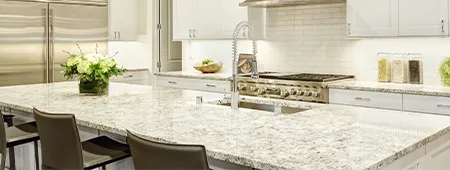
Marble finish tiles for living room floors create an elegant appearance through fine veining and tonal movement. Large-format marble look tiles can reduce the number of visible grout joints, giving the room a more continuous finish.
For luxury living room flooring, consider white or cream veining with warm timber furniture and neutral upholstery. Coordinated or book-matched patterns may also form a dramatic feature wall. Confirm the available pattern variation before ordering.
Wood Finish Tiles for Natural Warmth
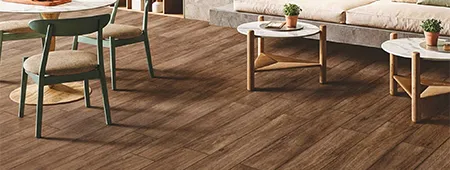
Wood finish tiles for living room spaces combine the visual warmth of timber with the practical qualities of tile. They fit Scandinavian, rustic, transitional, and biophilic interiors.
Plank formats can be installed in straight, staggered, or herringbone-style layouts when the product and room allow. A matte oak-look porcelain tile, for example, can give an open family area a relaxed feel. Blend pieces during installation so grain and shade variation appear natural.
Stone Finish Tiles for Contemporary Character
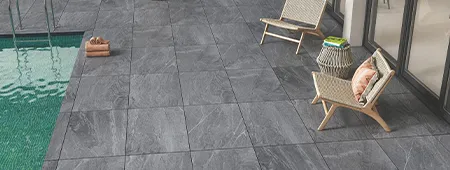
Stone finish tiles for living room designs offer a timeless base for both classic and modern furniture. Popular effects include limestone, slate, travertine, sandstone, and concrete.
Large greige stone look tiles can create a calm, minimalist setting. More varied slate-inspired designs bring stronger character. Consider both tonal variation and texture, as these features affect the room’s appearance and cleaning needs.
Best Living Room Wall Tile Finishes

Living room wall tile finishes can be bolder because they do not face foot traffic. Gloss, deep relief, geometric patterns, and decorative surfaces can all work when used with restraint.
Glossy Tiles for TV and Feature Walls
Glossy tiles for living room feature walls reflect light and create a polished focal point. They can make an alcove or fireplace surround look brighter. Behind a television, however, a highly reflective surface may cause distracting glare.
Test the finish with the television and room lights switched on. Directional lighting can reduce unwanted reflections while drawing attention to the tile pattern.
Textured and Decorative Tile Finishes
Fluted, geometric, mosaic, relief, and 3D designs can add dimension to a plain room. Decorative tile finishes are usually most effective on one focal wall rather than every surface.
Keep cleaning in mind. Deeply sculpted patterns may collect dust, especially near open windows or heating vents. A shallow relief can provide texture with less maintenance.
Can Floor and Wall Finishes Be Mixed?
Yes. Floor and wall finishes do not need to match, but they should share a related colour temperature, pattern scale, or design style. Matte stone-look floors can pair well with satin marble-look wall tiles.
Most rooms look balanced with no more than two dominant finishes. Too many competing surfaces can make the interior feel busy.
How to Choose the Right Finish for Your Home
Match the Surface to Your Lifestyle
- Homes with children or pets: Consider matte, satin, or softly textured surfaces that conceal minor marks.
- Formal living rooms: Explore polished tiles or refined marble effects.
- Entertaining areas: Prioritise stain resistance and easy-clean surfaces.
- Open-plan rooms: Look for durable porcelain tile finishes or vitrified tile finishes that support a consistent transition.
Check Scratch and Stain Resistance
Do not choose a floor by appearance alone. Ask for technical information about wear, stain resistance, chemical resistance, and approved applications. Tile surface durability varies by product, glaze, body, and manufacturing process.
Standards such as ISO 10545 provide test methods for several tile characteristics. Slip performance may also be reported under standards such as ANSI A326.3. A rating should always be considered with the manufacturer’s intended-use guidance.
Test Samples in Real Lighting
View samples beside your paint, curtains, furniture, and rugs. Check them near windows in daylight and under artificial light in the evening.
Place floor samples horizontally. A tile displayed vertically in a showroom reflects light differently from one placed on the floor. This simple test gives you a more accurate sense of colour, sheen, and glare.
Consider Size, Grout, and Layout
Large-format tiles reduce the number of grout lines and can make a room feel more seamless. Rectified edges allow narrow, consistent joints when the surface is prepared and the tiles are installed correctly.
Matching grout creates continuity, while contrasting grout highlights the pattern. Tiles should never be installed without suitable joints. Follow the product guidance and the installer’s recommendations for joint width and movement accommodation.
Porcelain and Vitrified Tile Considerations
Porcelain Tile Finishes
Porcelain describes the tile body, not the surface finish. Porcelain tiles may be matte, glazed, satin, polished, or textured. They are known for low water absorption and are available in a broad range of effects, but suitability still depends on the individual product.
Vitrified Tile Finishes
Vitrified also refers to manufacturing characteristics rather than one specific finish. These tiles may have polished, glazed, matte, or other surface treatments. They are widely considered for modern floors where a clean look and practical care are priorities.
Technical Details to Request
- Approved floor or wall application
- Abrasion or wear rating, where applicable
- Stain and chemical resistance
- Declared slip-performance classification
- Shade and pattern variation
- Rectified or non-rectified edges
- Cleaning and sealing requirements
- Recommended grout joint and installation method
Expert Installation and Care Tips

Create a Dry Layout
Lay out several tiles before installation. This helps distribute marble veins, wood grains, and shade variation across the room. Blend pieces from multiple boxes and check directional markings before fixing them in place.
Use a Qualified Tile Installer
Good preparation is vital, especially with large formats. The base must be stable and sufficiently flat. A qualified installer can select the correct adhesive, grout, movement joints, and installation method for the product and setting.
Follow Finish-Specific Cleaning Advice
Use a pH-neutral cleaner unless the manufacturer recommends another product. Avoid abrasive pads on polished and high-gloss surfaces, and clean spills promptly. Some polished or unglazed products may need sealing, so check the official care instructions.
Entrance mats and furniture protectors help reduce tracked-in grit and movement-related marks. For suitable options, explore Ilex Ceramica’s living room tile collections and request samples or technical specifications before selecting a finish.
Balance Style With Everyday Performance
There is no single finish that works for every home. Matte and satin surfaces offer practical comfort, polished and marble effects add elegance, and wood or stone designs bring natural warmth.
Compare physical samples in your actual space and review the technical specifications before ordering. Explore Ilex Ceramica’s living room tile collections to compare finishes, formats, colours, and surface effects for your interior project.
FAQs About Living Room Tile Finishes
1. Which tile finish is best for a living room?
Matte or satin finishes are practical for everyday family spaces. Polished surfaces suit formal, luxury interiors, while textured tiles add natural character. The best choice depends on traffic, lighting, cleaning preferences, and whether the tile will be used on a floor or wall.
2. Are glossy or matte tiles better for living rooms?
Glossy tiles reflect more light and may make a room feel larger. Matte tiles produce less glare and tend to hide everyday marks better. Neither is universally better, so compare their appearance, maintenance needs, and technical suitability.
3. Do glossy tiles show more scratches and footprints?
Footprints, dust, and fine marks are often more noticeable on dark, plain, reflective surfaces. This does not mean every glossy tile has poor scratch resistance. Actual performance depends on its glaze, construction, wear rating, and intended application.
4. Which tile finish is easiest to clean?
Smooth glazed and satin surfaces are often simple to maintain because they have little relief. Deep textures may need more brushing or detailed cleaning. Always use products and methods recommended for the specific tile.
5. What finish makes a small living room look bigger?
Light-coloured satin, polished, or glossy tiles can reflect light and create a more open appearance. Large formats and coordinated grout also improve visual continuity. Test samples first, as very reflective flooring may produce unwanted glare.